Explore Pet Friendly Apartments on Westside Jax
If you are a pet owner considering a move to Jacksonville, Florida, specifically its burgeoning Westside, the prospect of finding suitable housing for both you and your animal companion is often paramount. The Westside of Jacksonville presents a unique and evolving landscape for individuals seeking pet-friendly apartment complexes, ranging from established communities to newly developed properties designed with modern amenities and contemporary living in mind. Understanding the nuances of this market requires a detailed examination of its geographical characteristics, the types of properties available, the regulatory landscape regarding pet ownership, and the amenities that truly cater to a pet-inclusive lifestyle.
The Westside of Jacksonville constitutes a significant portion of the city’s landmass, characterized by a blend of suburban tranquility, burgeoning commercial corridors, and proximity to major transportation arteries. Its appeal to pet owners is multifaceted, largely stemming from its expansive green spaces, access to natural environments, and a generally less dense population compared to some of the more urbanized core areas or the heavily trafficked beaches. This geographical layout provides a metaphorical canvas upon which a pet’s life can unfold with greater freedom and access to outdoor activity.
The sheer size of the Westside means there is a greater distribution of residential options, often with larger footprints for apartment communities than might be found in more constrained downtown areas. This can translate to more generous common areas, larger individual unit balconies or patios, and a higher likelihood of dedicated pet amenities within the complex itself. For a dog owner, the ability to access walking trails, open fields, or even simply a more expansive sidewalk infrastructure directly from their residence is a considerable advantage. Cat owners, while less reliant on outdoor space for their pets, often appreciate the quieter environments and the proximity to veterinary services and pet supply stores that are more common in less densely populated regions.
Furthermore, the Westside’s development trajectory has seen significant investment in infrastructure. This includes not just roads and utilities, but also parks and recreational facilities, some of which are explicitly designed with pet access in mind. The metaphorical “green veins” of the Westside – its numerous parks and undeveloped land parcels – offer invaluable resources for pet exercise and socialization. Understanding these topographical advantages is the initial step in navigating the pet-friendly apartment market in this region.
Proximity to Natural Habitats for Pet Recreation
One of the undeniable advantages of the Westside for pet owners is its adjacency to numerous natural habitats. These include expansive state parks, local city parks, and the vast wilderness areas that characterize much of rural Northeast Florida. Places like Jennings State Forest, though a short drive, offer extensive trails suitable for leashed dog walking, providing an immersive natural experience that is often unattainable in more urban settings. Within Jacksonville itself, various parks on the Westside have designated areas or policies that permit leashed pets, offering readily accessible options for daily exercise. This network of green spaces acts as a vital circulatory system for pet well-being, providing the necessary outlets for physical activity and mental stimulation.
Accessibility to Pet-Oriented Services
Beyond recreational opportunities, the Westside’s growth has also fostered a robust ecosystem of pet-oriented services. This includes a growing number of veterinary clinics, animal hospitals, pet grooming salons, and specialty pet supply stores. The convenience of having these services within a short driving distance can significantly enhance the quality of life for both pet and owner. The metaphorical “support system” for pet ownership is well-established and expanding, making the logistics of pet care less burdensome. This includes everything from routine check-ups to emergency veterinary care, all readily available within the Westside’s commercial hubs.
Navigating Pet Policies: Unpacking Apartment Regulations
When you embark on the search for a pet-friendly apartment on the Westside, understanding and scrutinizing pet policies is paramount. These policies are not monolithic; they vary significantly between properties and can represent a veritable labyrinth of rules and restrictions. Your success in finding a suitable home will depend largely on your ability to meticulously examine these guidelines, ensuring they align with your specific pet ownership circumstances.
Pet policies typically encompass several key components: breed restrictions, weight limits, pet limits per unit, non-refundable pet fees, monthly pet rent, and specific rules regarding pet behavior and waste management. Consider breed restrictions as invisible fences; while not physical barriers, they can effectively exclude certain dog breeds based on perceived temperament or size, regardless of an individual animal’s disposition. Weight limits operate similarly, often excluding larger breeds irrespective of their actual behavior. It is critical to obtain these policies in writing and clarify any ambiguities directly with property management.
Furthermore, the financial implications of pet ownership in an apartment setting can be substantial. Non-refundable pet fees are a one-time charge, often ranging from several hundred dollars, designed to cover potential wear and tear. Monthly pet rent, on the other hand, is an ongoing expense that adds to your regular housing costs. These charges, combined, represent a significant financial commitment and should be factored into your budget meticulously. Your due diligence in understanding these fiscal responsibilities is as important as evaluating the physical attributes of the apartment itself.
Deciphering Breed and Weight Restrictions
Perhaps the most common and often contentious aspect of pet policies are breed and weight restrictions. Many properties maintain a list of restricted breeds, often including Pit Bulls, Rottweilers, Dobermans, German Shepherds, and others deemed “aggressive” or “high-risk” by insurance carriers. These restrictions are typically non-negotiable and are applied stringently. Similarly, weight limits, often set at 25 lbs, 50 lbs, or 75 lbs, can effectively exclude a wide range of medium to large dog breeds. It is imperative that you disclose your pet’s breed and estimated adult weight upfront to avoid potential issues down the line. Attempting to circumvent these rules can lead to lease violations and even eviction. Transparency is your strongest asset in this regard.
Understanding Pet Fees, Deposits, and Rent
The financial framework surrounding pet ownership in apartments is composed of several layers. A non-refundable pet fee is a common practice, designed to mitigate the additional cost of cleaning and potential damage associated with pets. This fee is distinct from a security deposit, which is typically refundable upon lease termination, assuming no damages beyond normal wear and tear. Pet rent, an additional monthly charge, is often justified by the property as a means to cover increased maintenance, landscaping, and amenity costs associated with pet residents. You should request a clear breakdown of all pet-related financial obligations before signing any lease agreement. A failure to do so can lead to unexpected expenses and budget deviations.
Amenities for Our Animal Companions: What to Look For
The modern pet-friendly apartment complex on the Westside of Jacksonville goes beyond mere acceptance of pets; it actively incorporates amenities designed to enhance the lives of both pets and their owners. These features are not simply decorative; they are functional components that significantly contribute to the well-being and convenience of pet-inclusive living. Identifying and prioritizing these amenities should be a core component of your apartment search strategy.
Prime pet amenities often include dedicated dog parks, known colloquially as “bark parks,” which offer secure, fenced-in areas for off-leash play and socialization. These serve as vital community hubs for both pets and their owners, fostering a sense of camaraderie and providing essential exercise opportunities. Equally important are pet washing stations or “dog spas,” which offer designated areas with elevated tubs, grooming tables, and specialized dryers for convenient bathing without the mess and hassle of using your personal living space.
Beyond these dedicated facilities, consider the broader infrastructure. Are there ample waste disposal stations equipped with bags throughout the property? Are walking paths well-maintained and extensive? Does the apartment unit itself offer features like hard-surface flooring that is easier to clean, or a private patio or balcony for outdoor access? These subtle inclusions can collectively form a mosaic of convenience that greatly elevates the pet-friendly living experience. The absence of such amenities can transform daily pet care into an arduous task, whereas their presence acts as a lubricant, smoothing the rough edges of shared living.
On-Site Dog Parks and Green Spaces
A dedicated on-site dog park is a gold standard amenity for dog owners. These fenced enclosures provide a safe and controlled environment for dogs to play, socialize, and expend energy off-leash. This prevents issues of dogs running loose in common areas and provides a defined space for their specific needs. Well-maintained green spaces within the complex, beyond the dog park, are also crucial for daily walks and potty breaks. Access to open areas, even if on a leash, is invaluable for a dog’s physical and mental health. These spaces act as critical arteries, channeling energy and promoting vitality.
Pet Washing Stations and Grooming Areas
Pet washing stations, often referred to as “dog spas,” are increasingly common and highly valued amenities. These facilities typically feature elevated tubs with sprayers, professional-grade dryers, and sometimes grooming tables, making the task of bathing a pet significantly easier and cleaner than attempting it in a personal bathroom. This prevents fur from clogging drains and keeps your living space free from the inevitable mess associated with pet bathing. For pets prone to getting dirty after outdoor adventures, a readily accessible washing station transforms what could be a chore into a convenient and hygienic routine.
The Unit Itself: Interior Features for Pet Owners
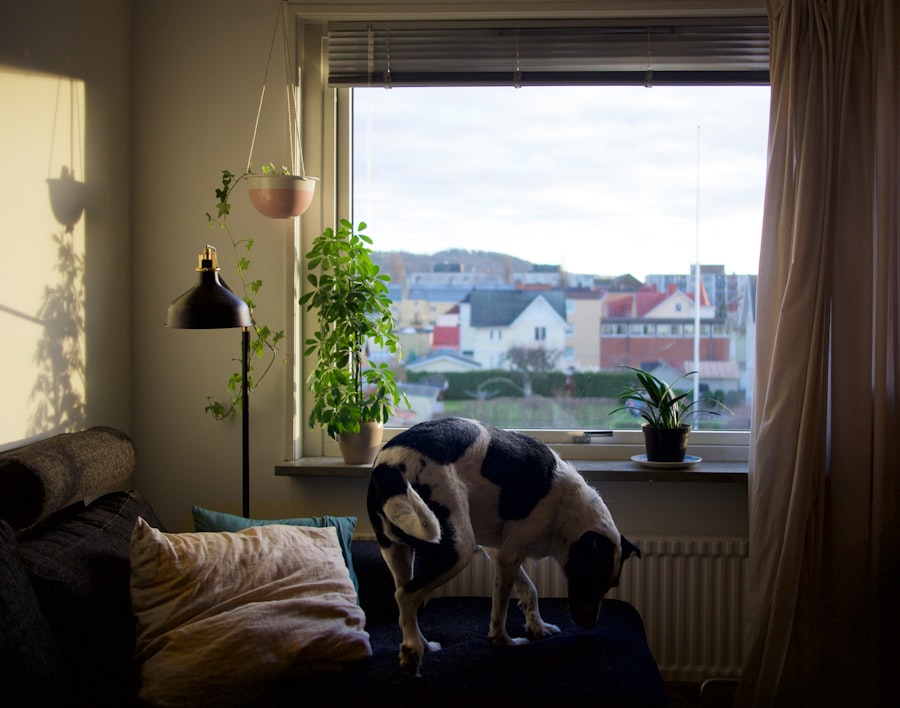
While communal amenities are important, the interior features of your apartment unit itself also play a crucial role in creating a truly pet-friendly living environment. These are the elements that you and your pet will interact with daily, and their suitability can significantly impact convenience, cleanliness, and comfort. Evaluating these details is an act of foresight, anticipating the logistical demands of pet ownership within your immediate living space.
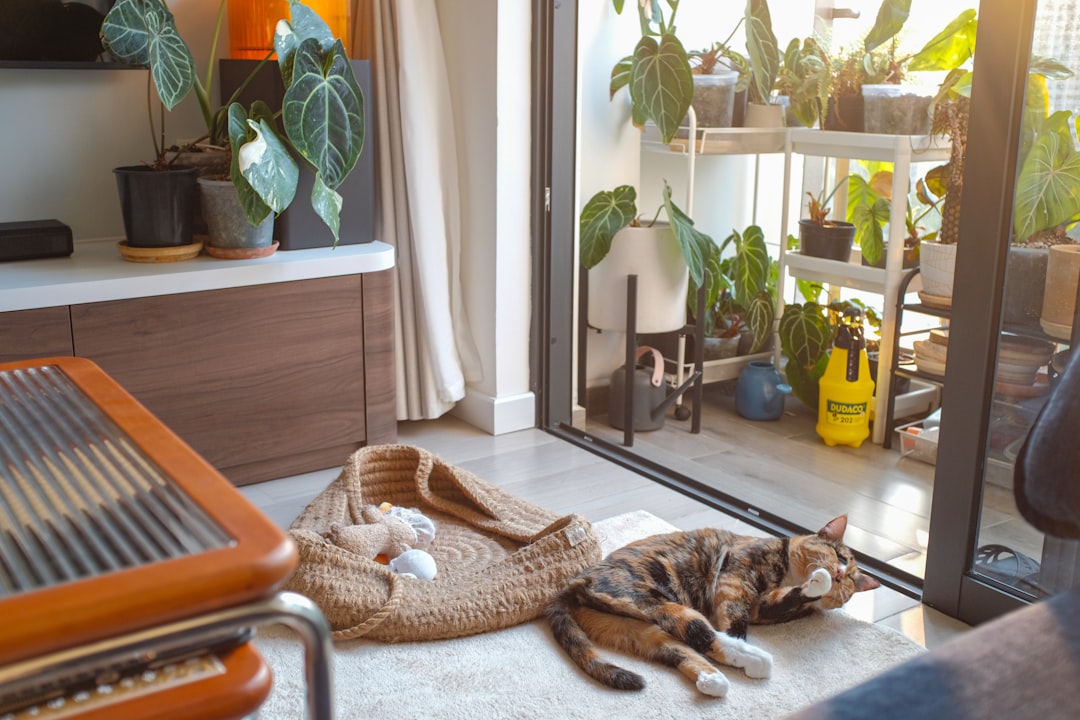
Hard-surface flooring, such as luxury vinyl plank, tile, or laminate, is often preferable to carpeting for obvious reasons. It is easier to clean up accidents, minimizes pet odors, and is generally more resistant to wear and tear from claws. Consideration should also be given to the layout of the unit; is there a suitable space for a crate, food bowls, or a cat litter box that doesn’t impede daily living? A private patio or balcony can offer valuable outdoor access for pets, providing a secure space for fresh air or a quick potty break for smaller animals, reducing the immediate need to go downstairs.
Furthermore, the availability of ample storage can be beneficial for housing pet supplies like food, toys, and grooming tools, keeping your living area uncluttered. Window placement and security are also important, particularly for cats who enjoy observing the outdoors. Ensuring screens are secure and windows can be safely opened for ventilation without risk of escape is a practical consideration. Think of the apartment’s interior as a mini-ecosystem; its design should facilitate the harmonious coexistence of all its inhabitants, including the four-legged ones.
Flooring and Cleanliness Considerations
When evaluating apartment units, pay close attention to the flooring materials. Hard-surface flooring (e.g., vinyl plank, tile, laminate) is vastly superior to carpeting for pet owners. It is significantly easier to clean up accidents, sheds, and dirt that inevitably accompany pets. Hard floors also resist odors more effectively. If a unit does feature carpeting, inquire about the property’s cleaning policies upon move-out, as pet owners are often subject to additional cleaning fees. The flooring is the very ground upon which your pet will live; its suitability directly impacts the ease of maintaining a clean and hygienic home.
Private Outdoor Spaces: Balconies and Patios
A private balcony or patio can be a highly desirable feature for pet owners. For cats, it offers a secure vantage point for outdoor observation, enriching their environment. For dogs, especially smaller breeds, it can provide a convenient spot for a quick break, reducing the frequency of trips downstairs. Ensure that any outdoor space is secure, with appropriate railings or enclosures to prevent escapes. These private outdoor extensions serve as valuable transitional zones, bridging the interior comfort of your home with the stimulating outside world.
Community Culture and Resources for Pet Owners
Beyond the physical attributes of an apartment and its amenities, the broader community culture and available resources on the Westside of Jacksonville significantly contribute to the overall pet-friendly environment. This encompasses not just the individual apartment complex but the surrounding neighborhood and the city itself. An apartment is not an island; it exists within a larger social and logistical ecosystem.
A truly pet-friendly community extends beyond the apartment’s perimeter. This means investigating nearby dog parks (city-run or private), veterinary emergency clinics, pet supply stores, and local businesses that openly welcome pets, often indicated by “pet-friendly” stickers in their windows or outdoor seating areas. The presence of walking trails, sidewalks, and easily accessible green spaces in the vicinity of your chosen apartment is also a strong indicator of a pet-inclusive culture.
Furthermore, consider the general attitude of the community toward pet ownership. Do you see other residents walking their dogs frequently? Are local events often pet-inclusive? These subtle cues can paint a picture of a neighborhood that genuinely embraces its animal residents. A supportive community functions as a reservoir of shared experience and mutual understanding, making pet ownership in an apartment setting a more sociable and less isolating endeavor. This collective embrace of pets is a powerful, albeit intangible, amenity.
Nearby Veterinary and Emergency Services
Access to high-quality veterinary care is a non-negotiable aspect of pet ownership. When exploring apartments on the Westside, investigate the proximity and reputation of local veterinary clinics and animal hospitals. Inquire about emergency veterinary services, as pet emergencies can arise at any time. Knowing that professional medical assistance is readily available provides peace of mind. The presence of multiple reputable veterinary options within a reasonable driving distance is a strong positive indicator of a pet-friendly region.
Local Pet-Friendly Businesses and Parks
The broader Westside community offers a growing number of pet-friendly businesses, including cafes with outdoor seating, retail stores, and a variety of local parks. Research which local establishments welcome well-behaved, leashed pets. This allows you to integrate your pet more fully into your daily life and community activities. Regularly updated online resources and local community groups can often provide valuable information on these establishments. A vibrant ecosystem of pet-welcoming businesses and public spaces transforms pet ownership from a private responsibility into a shared community experience.
FAQs
What defines a pet-friendly apartment in Westside Jax?
A pet-friendly apartment in Westside Jax is a rental property that allows tenants to keep pets, often with specific guidelines regarding pet types, sizes, and breeds. These apartments may offer amenities such as pet parks, grooming stations, and nearby walking trails.
Are there any breed or size restrictions for pets in Westside Jax apartments?
Many pet-friendly apartments in Westside Jax have breed and size restrictions to ensure safety and comfort for all residents. Common restrictions include limits on dog weight, prohibitions on certain breeds considered aggressive, and limits on the number of pets allowed per unit.
What additional fees are typically associated with pet-friendly apartments?
Pet-friendly apartments often require additional fees such as a pet deposit, pet rent, or a one-time pet fee. These fees cover potential damages and extra maintenance related to having pets in the apartment community.
How can I find pet-friendly apartments specifically in the Westside Jax area?
To find pet-friendly apartments in Westside Jax, you can use online apartment search platforms with pet filters, contact local real estate agents, or visit apartment community websites directly. Checking reviews and calling management offices can also provide up-to-date pet policy information.
What amenities are commonly offered in pet-friendly apartments on the Westside of Jacksonville?
Common amenities in pet-friendly apartments in Westside Jax include on-site dog parks, pet washing stations, walking trails, and proximity to veterinary clinics and pet supply stores. These features enhance the living experience for both pets and their owners.