Sustainable Serenity: How Energy-Efficient Appliances Save You Green at Home
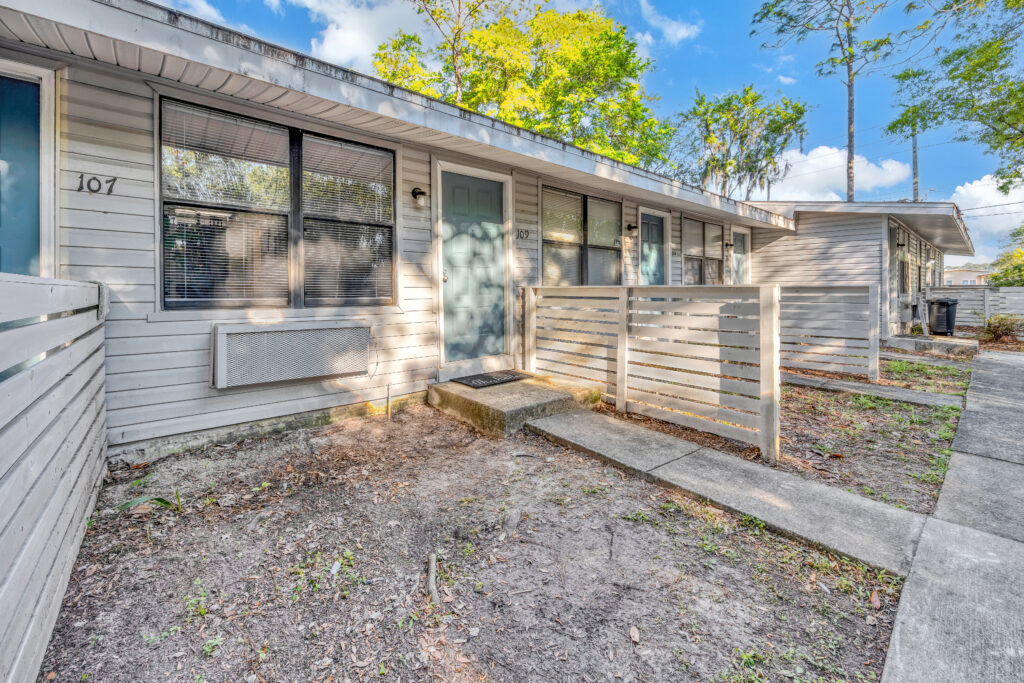
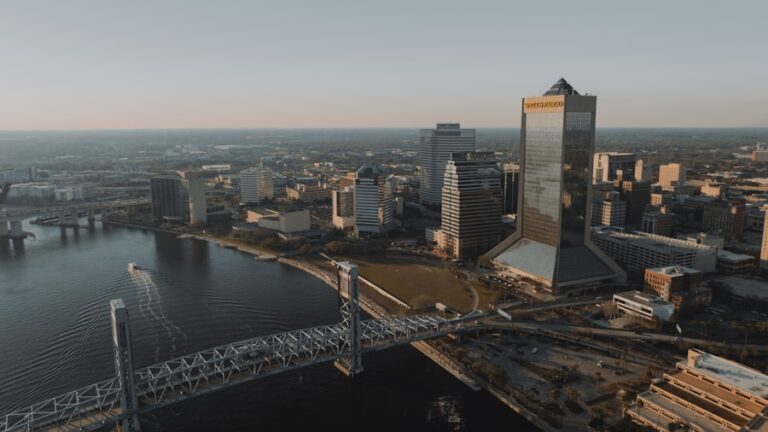
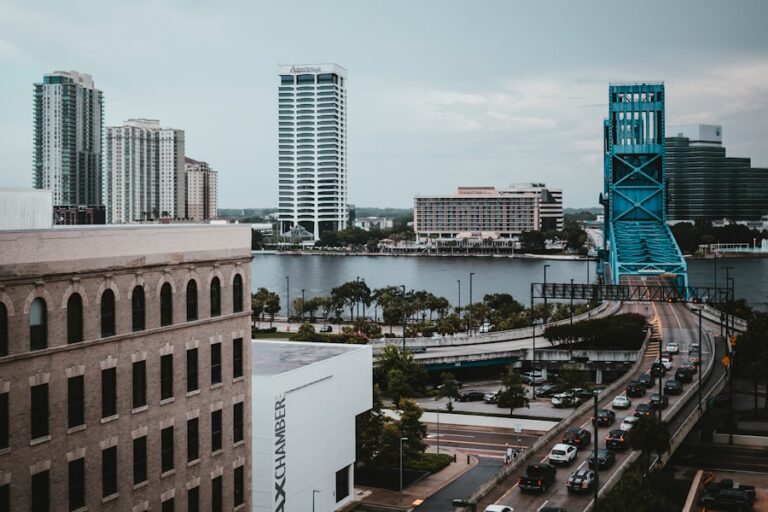
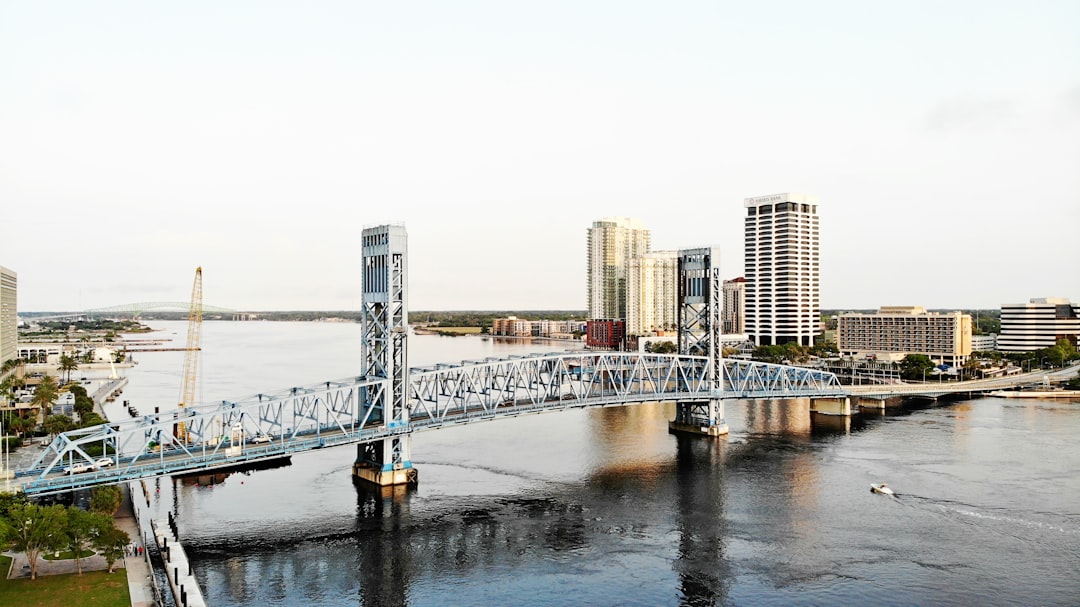
Green living, often synonymous with sustainability and eco-consciousness, has become an increasingly pressing concern for individuals and municipalities alike. As the effects of climate change become more pronounced, the demand for environmentally responsible housing solutions has surged. Jacksonville, Florida, a city known for its expansive urban sprawl and proximity to diverse ecosystems, is gradually embracing this paradigm shift. The development and availability of eco-friendly apartments within Jacksonville represent a significant step towards a more sustainable urban landscape. This article will explore the multifaceted aspects of green living in Jacksonville’s apartment sector, examining its definition, key features, benefits, challenges, and future trajectory.
Green living, within the context of apartment complexes, extends beyond a mere aesthetic inclination towards natural elements. It encompasses a holistic approach to design, construction, and operation that minimizes environmental impact and promotes the well-being of residents. Think of it as a carefully constructed ecosystem, where every component plays a role in fostering environmental harmony.
What Constitutes Eco-Friendly?
An eco-friendly apartment complex is characterized by several core principles. These include energy efficiency, water conservation, responsible material selection, waste reduction, and the promotion of a healthier indoor environment. It’s not about a single feature, but rather the synergistic integration of multiple sustainable practices. Imagine a finely tuned engine, where each part, from the smallest bolt to the largest gear, contributes to its efficient and environmentally sound operation.
Certifications and Standards
To ensure transparency and accountability, a variety of certifications and standards have emerged to validate the green credentials of buildings. In the United States, prominent examples include the Leadership in Energy and Environmental Design (LEED) certification, developed by the U.S. Green Building Council (USGBC), and the National Green Building Standard (NGBS). These certifications provide a robust framework for assessing environmental performance across different categories, offering residents a clear indicator of a building’s commitment to sustainability. Consider these certifications as the nutritional labels for buildings, providing a detailed breakdown of their environmental composition.
Key Features of Eco-Friendly Apartments in Jacksonville
Jacksonville’s eco-friendly apartments integrate a range of technologies and design principles to achieve their sustainability goals. These features often target the largest contributors to a building’s environmental footprint: energy and water consumption.
Energy Efficiency Measures
Energy consumption constitutes a significant portion of a building’s operational impact. Eco-friendly apartments employ various strategies to reduce this consumption, acting as sophisticated energy sponges, absorbing and minimizing waste.
High-Performance Building Envelopes
The building envelope – comprising walls, roofs, windows, and doors – acts as the primary barrier between the interior and exterior environments. High-performance envelopes utilize superior insulation, reflective roofing materials, and energy-efficient windows to minimize heat transfer. This passive design strategy reduces the need for extensive heating and cooling, akin to a well-insulated thermos maintaining its internal temperature regardless of external fluctuations.
Energy-Efficient Appliances and Lighting
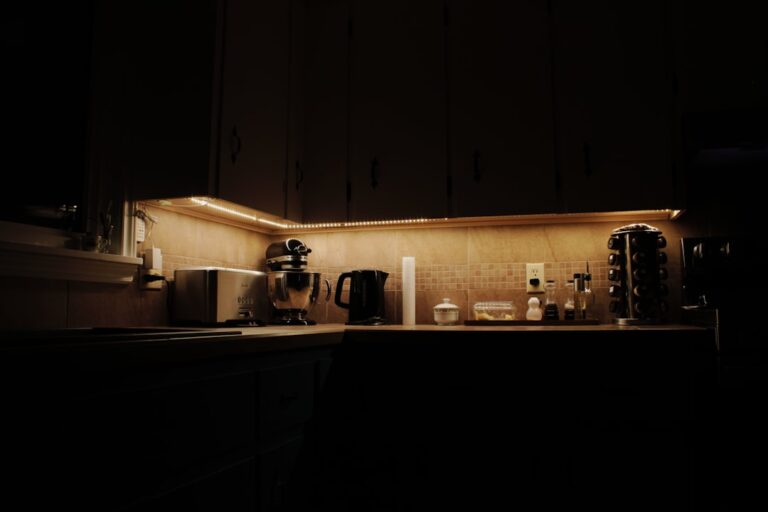
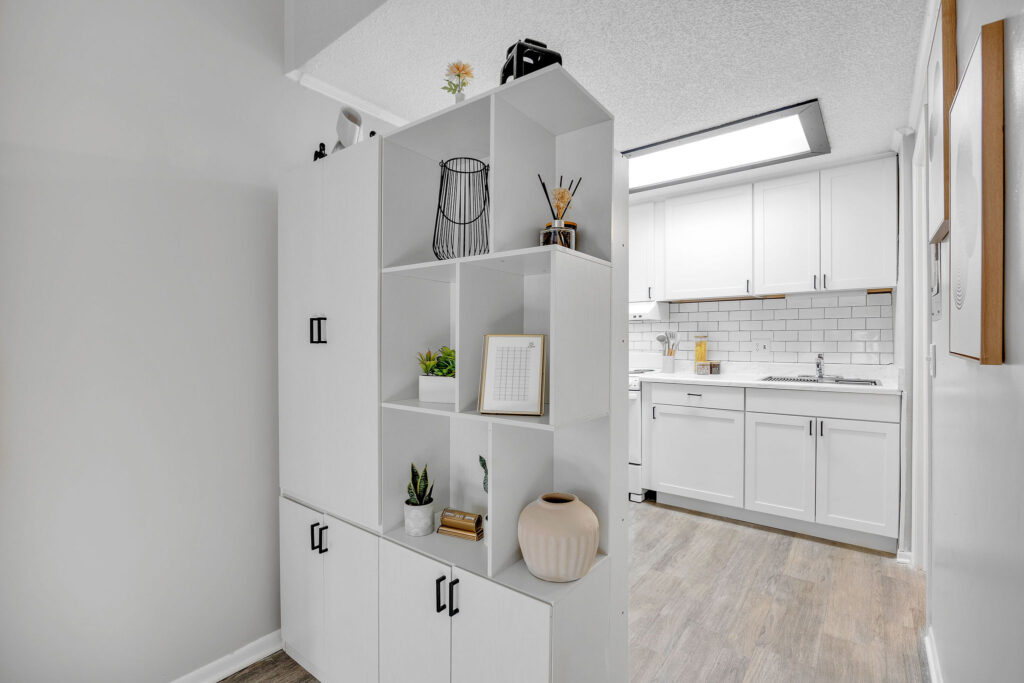
Modern eco-friendly apartments are typically equipped with ENERGY STAR® certified appliances, which are designed to consume less energy than conventional models. Similarly, LED lighting, known for its longevity and low energy consumption, is a standard feature. These smaller, individual components, when multiplied across an entire complex, contribute significantly to overall energy savings, much like countless individual raindrops collectively forming a powerful river.
Renewable Energy Integration
Some advanced eco-friendly complexes in Jacksonville are incorporating renewable energy sources, primarily solar panels. Photovoltaic (PV) arrays installed on rooftops or carports generate clean electricity, offsetting a portion of the building’s energy demand. This move towards self-sufficiency transforms the building from a passive consumer to an active co-producer of energy, like a plant harnessing the sun’s power for its own sustenance.
Water Conservation Strategies
Water scarcity is a growing global concern, and eco-friendly apartments in Jacksonville are actively addressing this through thoughtful design and technology. Think of them as astute water managers, diligently minimizing waste at every turn.
Low-Flow Fixtures and Appliances
Installation of low-flow toilets, showerheads, and faucets significantly reduces water consumption in individual units. These fixtures deliver an efficient stream while using less water, an elegant solution to a critical problem, much like a precision irrigation system delivering water directly to the plant’s roots with minimal runoff.
Drought-Tolerant Landscaping
Exterior landscaping often contributes heavily to water usage. Eco-friendly complexes utilize drought-tolerant native plants that require minimal irrigation, reducing the need for municipal water supplies. This approach not only conserves water but also supports local biodiversity, creating a more resilient and natural environment. It’s akin to selecting plants that naturally thrive in their environment, rather than forcing an artificial dependence on external resources.
Rainwater Harvesting and Greywater Recycling
More ambitious projects may incorporate rainwater harvesting systems, collecting and storing rainwater for irrigation or other non-potable uses. Greywater recycling systems, which treat and reuse water from sinks and showers, further reduce the demand for fresh water. These advanced systems demonstrate a circular economy approach to water management, transforming waste into a valuable resource, much like a natural hydrological cycle.
Sustainable Materials and Waste Management
The materials used in construction and the waste generated during occupancy also fall under the purview of green living. Eco-friendly apartments strive to minimize their ecological footprint from cradle to grave.
Recycled and Sustainably Sourced Materials
Preference is given to building materials with recycled content, such as recycled steel or reclaimed wood. Additionally, sustainably sourced materials, like rapidly renewable bamboo or certified lumber, are employed to reduce the demand on virgin resources. This conscious selection ensures that the building’s genesis is as green as its operation.
Construction Waste Diversion
During the construction phase, efforts are made to divert construction and demolition debris from landfills through recycling and reuse programs. This systematic approach transforms what was once considered waste into valuable resources, embodying the principle of circularity.
Resident Recycling Programs
Once occupied, eco-friendly complexes provide easily accessible and comprehensive recycling programs for residents, encouraging the proper disposal and recycling of household waste. These programs foster a culture of responsibility and empower residents to participate actively in waste reduction.
Benefits of Choosing an Eco-Friendly Apartment
Reduced Utility Costs
Perhaps the most immediately apparent benefit for residents is the reduction in utility bills. The energy and water efficiency measures implemented in these apartments directly translate to lower electricity and water consumption, leading to significant savings over time. Imagine your monthly expenses shrinking, a welcome relief in today’s economic climate.
Enhanced Indoor Air Quality
Green buildings prioritize healthy indoor environments. Strategies such as enhanced ventilation systems, the use of low-VOC (volatile organic compound) paints and finishes, and avoidance of toxic building materials contribute to superior indoor air quality. This translates to fewer respiratory issues, allergies, and improved overall health and well-being for residents. The air within these apartments circulates with a freshness akin to a breath of clean mountain air, a stark contrast to the often stale and polluted air found in conventional buildings.
Improved Comfort and Livability
The thoughtful design of eco-friendly apartments often leads to enhanced comfort. Consistent indoor temperatures, reduced noise pollution from external sources due to better insulation, and abundant natural light contribute to a more pleasant living experience. These apartments are designed as sanctuaries, offering a haven of tranquility and comfort amidst the urban bustle.
Contribution to Environmental Preservation
By choosing to live in an eco-friendly apartment, residents directly contribute to the reduction of carbon emissions, conservation of natural resources, and minimization of pollution. This conscious decision aligns individual choices with global environmental goals, making each resident a small but vital cog in the machine of environmental protection. Your home becomes a living statement of your commitment to a healthier planet.
Challenges and Considerations
Higher Upfront Costs
Historically, green building construction has been associated with higher upfront costs compared to conventional construction. The specialized materials, technologies, and certification processes can add to the initial investment. This higher initial investment can act as a barrier for some developers and can, in turn, be reflected in slightly higher rental prices. This is often akin to planting a tree; the initial effort and cost are for a long-term, sustainable benefit.
Perceived Complexity and Lack of Awareness
Some developers and potential residents may perceive green building as overly complex or niche. There can be a lack of comprehensive understanding regarding the long-term benefits and the practical implementation of sustainable features. Education and increased awareness are crucial to demystify green living and highlight its tangible advantages.
Integration with Existing Infrastructure
Jacksonville’s existing infrastructure, largely built for conventional development, can present challenges for the seamless integration of certain green technologies. Adapting zoning regulations, utility grids, and waste management systems to accommodate a larger influx of eco-friendly developments requires careful planning and coordination.
The Future of Green Living in Jacksonville Apartments
The trajectory for green living in Jacksonville’s apartment market appears promising. As environmental awareness intensifies and the long-term benefits become more widely recognized, the demand for sustainable housing will continue to grow.
Policy and Incentive Programs
Future growth will likely be spurred by government policies and incentive programs at both the local and state levels. Tax credits, grants, and streamlined permitting processes for green developments can significantly reduce financial barriers and encourage more developers to embrace sustainable practices. These incentives act as catalysts, accelerating the adoption of green building principles.
Technological Advancements
Ongoing technological advancements will continue to make green building more efficient, cost-effective, and accessible. Innovations in renewable energy, smart home systems for optimized energy management, and advanced building materials will further enhance the environmental performance of future apartments. The future of green living is constantly evolving, driven by human ingenuity and a commitment to progress.
Shifting Consumer Preferences
A growing segment of the population, particularly younger generations, is actively seeking sustainable living options. This demographic shift will drive demand, compelling developers to prioritize eco-friendly design and construction to remain competitive in the market. The consumer is increasingly becoming the compass guiding the direction of development, pointing towards a greener future.
In conclusion, eco-friendly apartments in Jacksonville are not merely a passing trend but a vital component of the city’s journey towards sustainability. They offer a tangible solution to environmental challenges, providing residents with healthier, more comfortable, and economically advantageous living spaces. While challenges persist, the growing awareness, technological advancements, and shifting market demands indicate a bright future for green living in Jacksonville, transforming the urban landscape into a more resilient and environmentally responsible habitat for its citizens.
FAQs
What makes an apartment eco-friendly in Jacksonville?
Eco-friendly apartments in Jacksonville typically incorporate sustainable building materials, energy-efficient appliances, water-saving fixtures, and waste reduction programs. They may also use renewable energy sources and promote recycling and green living practices.
Are eco-friendly apartments more expensive to rent in Jacksonville?
While some eco-friendly apartments may have slightly higher rent due to sustainable features, many offer cost savings through reduced utility bills and maintenance costs. Incentives and rebates for green living can also help offset expenses.
How do eco-friendly apartments in Jacksonville help reduce environmental impact?
These apartments reduce environmental impact by minimizing energy and water consumption, lowering greenhouse gas emissions, reducing waste, and promoting sustainable lifestyles among residents.
What amenities are commonly found in eco-friendly apartments in Jacksonville?
Common amenities include energy-efficient lighting, low-flow water fixtures, recycling centers, electric vehicle charging stations, community gardens, and green spaces designed to support local biodiversity.
How can I find eco-friendly apartments available for rent in Jacksonville?
You can find eco-friendly apartments in Jacksonville by searching online rental platforms with filters for green or sustainable features, contacting local real estate agents specializing in eco-friendly properties, or visiting apartment communities that advertise their environmental initiatives.