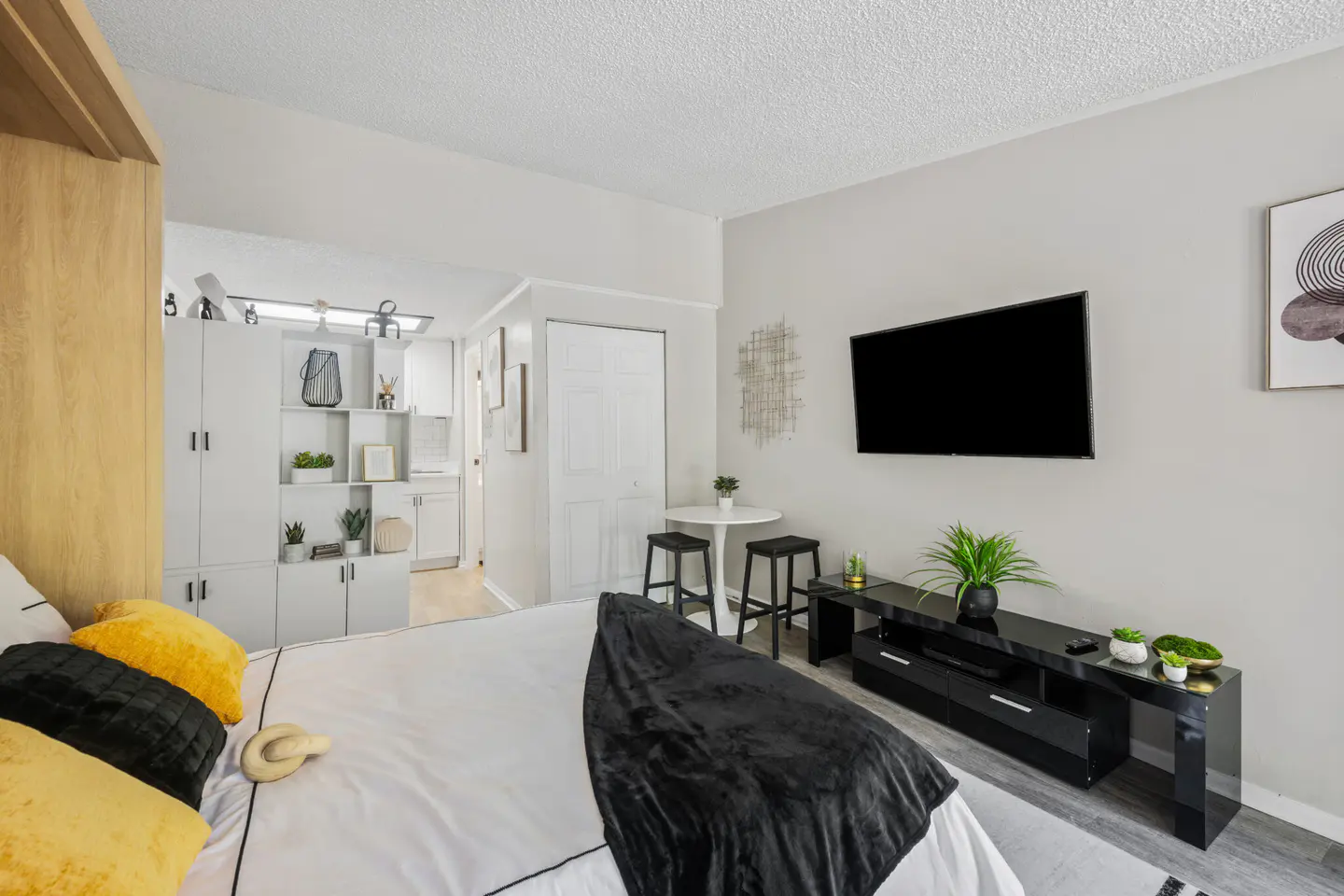
Photo Apartments with Hardwood Style Floors

Style and Simplicity: Why Vinyl Plank Flooring is the Modern Choice for Jax Living

Hardwood style flooring, in the context of modern apartment living, refers to a range of materials that emulate the appearance and often the texture of natural hardwood. This category encompasses several product types, each with distinct characteristics.

Luxury Vinyl Plank (LVP)

Luxury Vinyl Plank (LVP) is a resilient flooring option that has gained significant popularity in residential settings. It is constructed in layers, with a photographic image of wood grain fused at the top, followed by a protective wear layer.

Construction and Composition of LVP

The typical construction of LVP involves a core layer, often made of PVC (polyvinyl chloride), which provides stability and water resistance. Above this is the design layer, a high-resolution printed film that mimics natural wood. A transparent wear layer, usually composed of polyurethane, sits atop the design layer, offering protection against scuffs, scratches, and fading. Some LVP products may also include an underlayment layer for enhanced sound dampening and comfort.

Visual Realism and Aesthetic Variety

The aesthetic appeal of LVP lies in its ability to reproduce the visual nuances of natural hardwoods with remarkable fidelity. Manufacturers utilize advanced printing techniques to capture intricate grain patterns, knots, and color variations found in species like oak, walnut, maple, and cherry. This allows for a broad spectrum of design possibilities, catering to diverse interior styles, from rustic farmhouse to contemporary minimalism.

Engineered Hardwood

Engineered hardwood presents a different approach to replicating the look of solid wood. It is composed of a top layer of real hardwood veneer, bonded to a core of plywood or high-density fiberboard (HDF).

The Structure of Engineered Wood

The core of engineered hardwood provides dimensional stability, making it less susceptible to expansion and contraction caused by fluctuations in humidity and temperature compared to solid hardwood. The top veneer layer is the aesthetically significant component, offering the genuine look and feel of the chosen wood species.

Authenticity and Natural Variations

The use of real wood veneer ensures that engineered hardwood possesses the natural variations in color, grain, and texture inherent to the wood species. This authenticity can contribute to a classic and enduring aesthetic, providing a tangible connection to natural materials.

Laminate Flooring with Wood Emulation

Laminate flooring, too, can offer a hardwood aesthetic. It is constructed from composite wood materials, typically HDF, topped with a photographic image of wood grain covered by a protective wear layer.

Layered Construction of Laminate

The core of laminate flooring is usually made from a dense particleboard or HDF. The decorative layer is a high-resolution printed image of wood, which is then sealed with a clear, durable wear layer. This wear layer is crucial for protecting the image from damage and wear.

Cost-Effectiveness and Durability Factors

Laminate flooring is often positioned as a more budget-friendly alternative to both LVP and engineered hardwood. The wear layer’s composition and thickness are key determinants of its durability, with higher AC ratings indicating greater resistance to abrasion and impact.

The Impact of Hardwood Style on Interior Design

The presence of hardwood-style flooring acts as a fundamental element in shaping the overall aesthetic and atmosphere of an apartment. It serves as a canvas upon which other design choices are built.

Creating a Warm and Inviting Ambiance

The natural tones and intricate grain patterns of wood, or its stylistic emulation, inherently contribute to a sense of warmth and comfort. Darker wood tones can foster a sense of depth and luxury, while lighter shades can enhance the perception of space and airiness.

Color Palette and Tone Considerations

The specific color and tone of the hardwood-style flooring significantly influence the room’s mood. Warmer undertones (reds, yellows, oranges) tend to create an inviting and cozy feel, whereas cooler undertones (blues, grays, purples) can lend a more sophisticated or modern edge. The selection of flooring color should be a considered decision, aligning with the desired psychological effect of the space.

Grain Patterns and Visual Texture

The visual texture provided by the grain patterns adds depth and interest to the floor. Bold, prominent grain can introduce a more rustic or dramatic character, while subtle, uniform grain can contribute to a cleaner, more contemporary look. The interplay of light and shadow across these textures can further animate the space.

Versatility Across Design Styles

Hardwood-style floors possess a remarkable adaptability, serving as a suitable foundation for a wide array of interior design aesthetics. This versatility is a significant advantage in apartment living, where flexibility in decor is often desired.

Contemporary and Modern Aesthetics

In contemporary and modern interiors, lighter wood tones or those with a more uniform grain can complement minimalist furniture, clean lines, and a neutral color palette. The simplicity of the flooring allows other design elements to take center stage.

Traditional and Classic Interiors

For traditional and classic interiors, richer, darker wood tones with more pronounced grain patterns can evoke a sense of timeless elegance. These floors can serve as a robust backdrop for ornate furniture, antique accents, and classic motifs.

Rustic and Farmhouse Charm

The inherent warmth and texture of wood-style floors align perfectly with rustic and farmhouse aesthetics. Wider planks, distressed finishes, or naturalistic grain patterns can enhance the comfort and authenticity of these styles.

Defining and Connecting Spaces

The continuity of hardwood-style flooring can visually unify different areas within an apartment, creating a seamless flow. This is particularly effective in open-plan living arrangements.

Open-Concept Layouts

In open-concept apartments, using the same hardwood-style flooring throughout the living, dining, and kitchen areas can create a cohesive and expansive feel. It acts as a unifying thread that connects these distinct zones without the need for visual barriers.

Delineating Zones Through Plank Direction

While maintaining continuity, subtle variations in plank direction can also be employed to visually delineate zones. For example, laying planks parallel to the longest wall in a living area can enhance its perceived length, while orienting them differently in an adjoining dining area can subtly suggest a separate space.

Practical Considerations for Apartment Living

Apartments with Hardwood Style Floors


Durability and Wear Resistance

The ability of a floor to withstand the rigues of daily living is paramount. Hardwood-style flooring, particularly LVP and laminate, often offers robust wear resistance.

The Role of the Wear Layer

The wear layer, a transparent protective coating, is the primary defense against everyday abrasion, scuffs, and stains. Its thickness and composition directly correlate to the flooring’s longevity. Higher wear layer ratings, often expressed in mils (thousandths of an inch) for LVP, indicate greater durability.

Resistance to Scratches and Dents

While no flooring is entirely impervious, quality hardwood-style options are engineered to resist common sources of damage. This includes resistance to scratches from furniture legs, pet claws, and dropped objects, as well as dents from heavy items.

Maintenance and Ease of Cleaning

A significant advantage of most hardwood-style floors, especially LVP and laminate, is their straightforward maintenance regimen. This contrasts with the more involved care typically required for natural hardwood.

Routine Cleaning Procedures

Routine cleaning typically involves dry sweeping, dusting with a microfiber mop, or vacuuming with a hard floor attachment. These methods effectively remove surface debris without scratching the flooring.

Addressing Spills and Stains

The inherent water-resistant qualities of LVP and well-sealed laminate make them adept at handling minor spills. Prompt cleanup with a damp cloth is generally sufficient. For tougher stains, specific cleaning solutions recommended by the manufacturer can be utilized.

Moisture Resistance and Its Implications

Moisture is a common adversary for many flooring materials, especially in kitchens, bathrooms, and entryways. Hardwood-style options offer varying degrees of moisture resistance.

LVP and Enhanced Water Resistance

LVP, in particular, often excels in moisture resistance due to its PVC core, making it a suitable choice for areas prone to spills and humidity. This characteristic expands its application possibilities within an apartment.

Considerations for Engineered Wood and Laminate

While engineered wood has better moisture resistance than solid hardwood, it is not entirely waterproof. Laminate, especially those with HDF cores, can be susceptible to swelling if exposed to prolonged moisture. Therefore, prompt spill cleanup remains essential.

Installation and Longevity in Apartment Settings

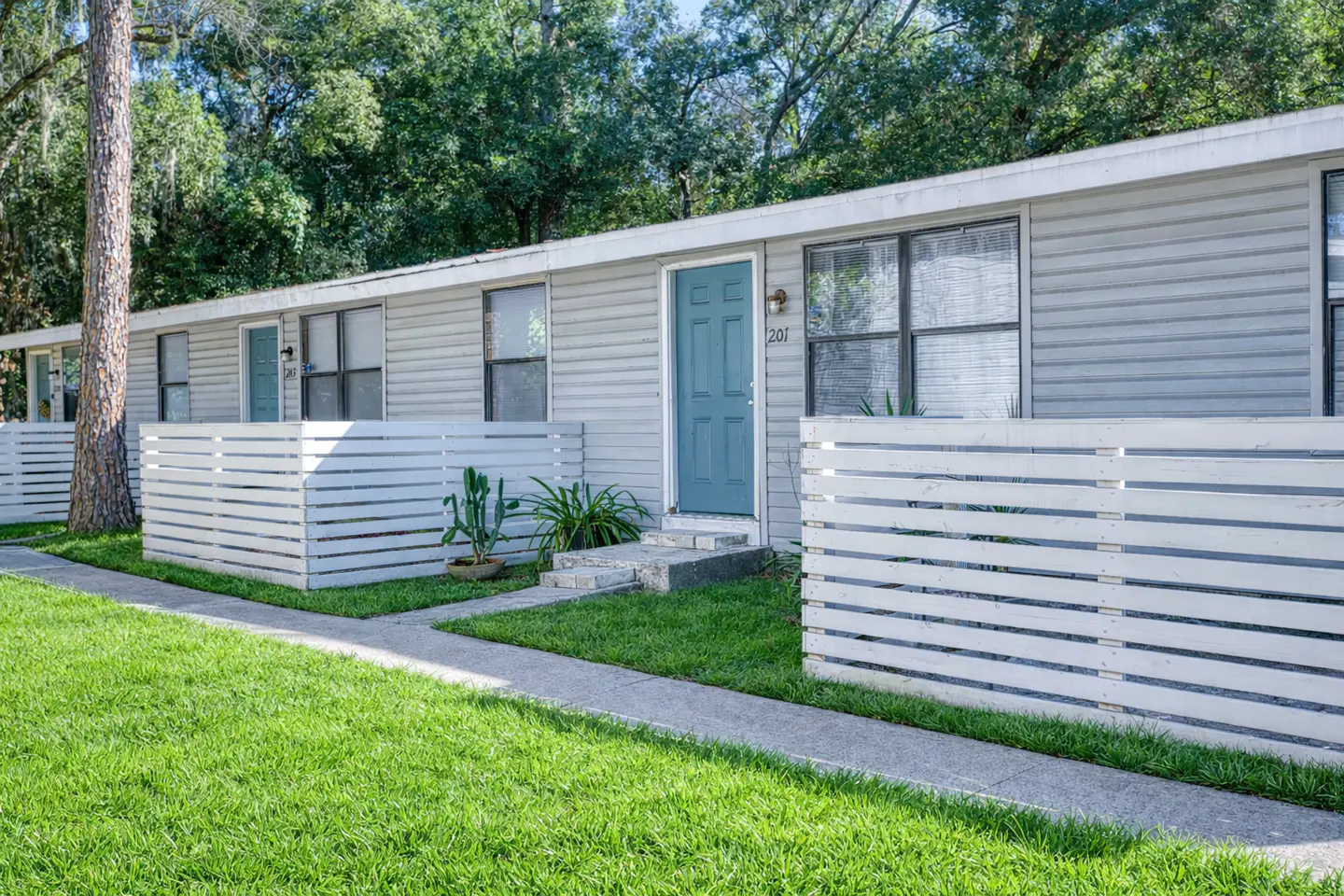
Photo Apartments with Hardwood Style Floors


Installation Methods and Their Suitability

The method of installation can influence both the ease of installation and the long-term stability of the flooring.

Floating Floor Installation

Many LVP and laminate products utilize a click-lock system, enabling a “floating floor” installation. This method involves planks interlocking with each other, creating a self-supporting layer without being directly adhered to the subfloor. This is often a favored method in rental apartments as it can be removed at the end of a lease without damaging the subfloor.

Glued-Down Installation

Some engineered hardwood and LVP products can be glued directly to the subfloor. This method can provide enhanced stability and a more permanent bond, but it also requires more labor and careful preparation of the subfloor.

Lifespan and Cost-Effectiveness

The lifespan of hardwood-style flooring is influenced by the quality of the material, the wear layer, installation, and maintenance.

Factors Influencing Longevity

Higher quality materials with thicker wear layers, combined with proper installation and diligent maintenance, will extend the lifespan of the flooring. For example, an LVP with a substantial wear layer might last 20-30 years or more, while a laminate floor might have a lifespan of 10-20 years depending on its AC rating and usage.

Return on Investment (ROI)

While the initial cost of hardwood-style flooring can vary significantly, its durability and aesthetic appeal contribute to a positive return on investment over time. The reduced need for frequent replacement compared to less durable options, coupled with its contribution to property appeal, makes it a sound long-term choice.

Adaptability for Rental vs. Owned Apartments

The choice of flooring type can be particularly relevant when considering whether the apartment is a rental or privately owned.

Rental Apartment Considerations

In rental apartments, click-lock LVP or laminate is often preferred due to its ease of removal. This allows tenants to personalize their living space without causing permanent alterations to the property.

Owned Apartment Considerations

For those owning their apartments, a wider range of installation methods and material types might be considered, including glued-down options, which can offer greater stability and a more permanent installation. The long-term investment in engineered hardwood can also be a significant consideration.

Environmental and Health Aspects of Flooring Choices

Sustainable Sourcing and Manufacturing

The origin of materials and the methods employed in their production are key aspects of sustainability.

Natural Wood Origins and Certifications

For engineered hardwood, the sourcing of real wood veneer is relevant. Certifications like those from the Forest Stewardship Council (FSC) indicate that the wood has been harvested from responsibly managed forests.

Recycled Content and Manufacturing Processes

Some LVP and laminate products incorporate recycled content in their manufacturing. Researching manufacturers’ sustainability reports can provide insight into their environmental commitments, including efforts to reduce waste and energy consumption during production.

Indoor Air Quality and VOC Emissions

The potential for flooring materials to off-gas Volatile Organic Compounds (VOCs) into the indoor environment is a health consideration.

Low-VOC and VOC-Free Options

Many manufacturers are increasingly producing LVP and laminate flooring that are certified as low-VOC or VOC-free. These certifications, often indicated by labels such as GREENGUARD, suggest that the flooring meets stringent standards for chemical emissions, contributing to healthier indoor air.

Impact on Allergies and Respiratory Health

Flooring that does not harbor dust mites or other allergens, and which has minimal VOC emissions, can be beneficial for individuals with allergies or respiratory sensitivities. Hardwood-style floors, with their smooth surfaces, are generally easier to keep clean and therefore can contribute positively to indoor air quality.

The Longevity of Materials and Waste Reduction

The expected lifespan of a flooring material is intrinsically linked to its environmental impact. Materials that last longer generate less waste over time.

Reducing the Need for Frequent Replacement

Choosing durable hardwood-style flooring that is resistant to wear and tear means less frequent replacement, thereby reducing the amount of flooring material that ends up in landfills.

End-of-Life Considerations

While not as readily recyclable as some other materials, the longevity of LVP and laminate means their disposal is a less frequent concern. Responsible disposal practices, where available, should be considered when the flooring eventually reaches the end of its useful life.

The Aesthetic Symphony: Harmonizing Flooring with Furnishings

The true potential of elegant apartments with hardwood-style floors is realized when the flooring is harmonized with the surrounding furnishings and décor. This interplay between floor and object is what breathes life into a living space.

Complementing Furniture Styles

The chosen hardwood-style floor can either contrast or complement the style of furniture, creating different visual dialogues.

Modern Sleekness with Light Tones

Light- to medium-toned hardwood-style floors with subtle grain patterns can provide a clean, sophisticated foundation for modern furniture with sleek lines, metal accents, and geometric forms. The floor acts as a neutral expanse, allowing the furniture’s design to shine.

Traditional Richness with Darker Hues

Darker, richer wood tones with more pronounced grain can beautifully anchor traditional or transitional furniture. The warmth of the floor enhances the character of classic upholstery, carved wood details, and ornate lamps.

Eclectic Mixtures with Versatile Neutrals

For eclectic interiors, versatile neutral wood tones – not too dark, not too light – offer a flexible canvas. They can bridge the gap between disparate furniture styles, from mid-century modern pieces to bohemian textiles, allowing for a visually cohesive yet unique arrangement.

Color Harmony and Contrast

The relationship between the floor’s color and the dominant colors in the room’s palette is a critical design consideration.

Monochromatic Schemes for Understated Elegance

A monochromatic scheme, where the floor shares subtle undertones with the walls, rugs, and upholstery, can create a sense of serene, understated elegance. The variations in texture and shade within the same color family provide depth without visual fatigue.

Creating Focal Points with Contrasting Colors

Conversely, using contrasting colors can draw attention to specific areas or pieces of furniture. For example, a dark wood-style floor can make a light-colored sofa or a vibrant Persian rug appear more prominent. The floor becomes a grounding element that allows other colors to pop.

The Role of Rugs and Area Treatments

Rugs and other floor coverings are not merely decorative but serve functional and aesthetic purposes in conjunction with hardwood-style flooring.

Defining Seating Areas with Area Rugs

Area rugs are invaluable for visually defining functional zones, particularly in open-plan layouts. A well-chosen rug placed within a seating arrangement can create a cozy and inviting space, preventing the room from feeling too expansive or disconnected. The rug acts as an anchor for the furniture ensemble.

Adding Texture and Pattern

Rugs introduce additional layers of texture and pattern, which can enrich the visual tapestry of a room. A textured rug can add warmth and tactile interest to the polished surface of hardwood-style floors, while a patterned rug can introduce a layer of artistic expression.

Lighting and Its Interaction with the Floor

The way light falls upon the hardwood-style floor significantly impacts its perceived color, texture, and overall ambiance.

Natural Light and Warmth

Ample natural light can accentuate the natural variations and warm tones of the flooring, making a space feel brighter and more welcoming. The grain patterns can appear more dynamic as sunlight streams across them.

Artificial Lighting Strategies

Strategic use of artificial lighting can enhance the floor’s features. Recessed lighting can provide an even glow, while accent lighting can highlight specific areas or create dramatic shadows that play across the floor’s textures. The direction of light can be manipulated to bring out the desired characteristics of the wood style.


FAQs


What are hardwood style floors in apartments?

Hardwood style floors refer to flooring that mimics the appearance of natural hardwood. This can include engineered wood, laminate, or luxury vinyl planks designed to look like real wood, offering a similar aesthetic with varying levels of durability and maintenance.

Are hardwood style floors durable for apartment living?

Yes, many hardwood style floors, especially engineered wood and luxury vinyl, are designed to be durable and resistant to scratches, moisture, and wear, making them suitable for high-traffic areas in apartments.

How do hardwood style floors compare to traditional hardwood floors?

Hardwood style floors often cost less and are easier to maintain than traditional hardwood. They can be more resistant to moisture and temperature changes, but may not have the same lifespan or ability to be refinished as solid hardwood floors.

Can hardwood style floors increase the value of an apartment?

Yes, apartments with hardwood style floors are often more attractive to renters and buyers because of their aesthetic appeal and ease of maintenance, which can potentially increase the property’s market value.

What maintenance is required for hardwood style floors in apartments?

Maintenance typically includes regular sweeping or vacuuming to remove dirt, occasional damp mopping with a cleaner suitable for the floor type, and avoiding excessive water or harsh chemicals to preserve the floor’s finish and durability.

Similar Posts