
Laundry Day Done Right: The Convenience of In-Home Hookups at Vintage Grove
Life in Jacksonville, Florida, a city known for its expansive urban sprawl and diverse neighborhoods, presents unique challenges and opportunities for its residents. Among the practical considerations for anyone seeking a rental property is the provision of essential domestic appliances. Specifically, the availability of in-unit washer and dryer hookups represents a significant factor in the desirability and functional utility of an apartment. This article explores the various facets of apartments in Jacksonville that offer this amenity, delving into its implications for convenience, cost, and lifestyle.
The presence of washer and dryer hookups within an apartment is more than a mere luxury; for many, it is a fundamental aspect of modern housing. This feature transforms the routine chore of laundry from a potentially time-consuming and inconvenient excursion to an integrated part of home life.
Eliminating Off-Site Logistics
Consider the alternative: communal laundry rooms or, more commonly, external laundromats. Each trip to such facilities involves a series of logistical hurdles. You must gather soiled clothing, transport it, often over a considerable distance, secure available machines, wait for cycles to complete, and then transport clean clothes back. This process is a common time sink, particularly in a city like Jacksonville where driving distances can be substantial. The elimination of these steps represents a considerable saving in both time and personal energy.
Enhanced Privacy and Hygiene
Communal laundry spaces, by their very nature, introduce an element of shared usage. While generally well-maintained, the idea of washing personal garments in machines used by numerous other individuals can be a deterrent for some. In-unit facilities offer an undeniable advantage in terms of personal hygiene and privacy, allowing residents to maintain their preferred standards without compromise.
Flexibility in Scheduling
The rigid schedules of laundromats or the often-limited hours of communal laundry rooms are non-factors when a washer and dryer are accessible within one’s own apartment. This flexibility allows for laundry tasks to be performed at any time, day or night, fitting seamlessly into diverse work schedules or personal routines. The ability to toss in a load before work, after an evening outing, or on an unpredictable weekend morning provides unparalleled control over this domestic chore.
Economic Implications and Cost-Benefit Analysis
While apartments with washer and dryer hookups may sometimes command a slightly higher rental premium, a comprehensive economic analysis often reveals long-term savings and significant non-monetary benefits that outweigh initial cost differences.
Reducing External Laundry Expenses
The cost of utilizing laundromats or communal facilities accumulates rapidly. Per-load charges for both washing and drying, often ranging from $2 to $5 per cycle, compound over time. For an individual, let alone a family, these weekly or bi-weekly expenses can amount to hundreds of dollars annually. Furthermore, the cost of transportation to and from laundromats, including gasoline and potential parking fees, adds another layer of hidden expense.
Energy Efficiency Considerations
Modern washers and dryers are designed with energy efficiency in mind. While older models might be less efficient, new appliances often carry Energy Star ratings, signifying reduced water and electricity consumption. When considering an apartment, inquiring about the age and efficiency of provided appliances (or the allowances for personal, efficient appliances) can reveal further opportunities for cost savings on utility bills. This contrasts with communal machines, which may be older, less efficient, and largely outside the resident’s control regarding maintenance or upgrades.
The Value of Time and Convenience
The adage “time is money” holds particular relevance here. The hours saved by not having to travel to and from external laundry facilities, wait for machines, or contend with busy laundromat environments can be redirected towards work, leisure, personal development, or family time. Quantifying this non-monetary value is subjective, but its impact on overall quality of life is undeniable. The psychological aspect of reducing stress associated with chore management also contributes to this “value.”
Navigating the Jacksonville Rental Market: Finding Your Ideal Apartment
Jacksonville’s expansive geographical area means that the availability and prevalence of apartments with washer and dryer hookups can vary significantly between neighborhoods and property types. Understanding where to look and what questions to ask is crucial.
Identifying Key Neighborhoods
Certain areas in Jacksonville, particularly those with newer developments or renovated properties, are more likely to offer in-unit laundry facilities. Neighborhoods experiencing significant revitalization, such as parts of Riverside, Avondale, and the Southside, often feature apartments designed for contemporary living standards. Conversely, older, more historic districts, while charming, may have properties where such amenities are less common due to architectural constraints or the age of the building’s infrastructure. Online rental platforms often allow filtering by specific amenities, making the initial search more efficient.
Rental Property Types
The type of rental property also influences the likelihood of finding washer and dryer hookups. Dedicated apartment complexes, especially those built in the last few decades, are far more likely to include this feature as a standard offering. Private rentals, such as single-family homes or duplexes, often include them as well. However, older, multi-unit buildings sometimes convert common spaces to laundry rooms or have no provisions at all. It is imperative to clarify these details during the initial inquiry.
Crucial Questions to Ask Landlords and Property Managers
When investigating potential apartments, a precise set of questions can clarify the laundry situation:
- Are washer and dryer hookups available in this specific unit? (Do not assume they are standard for the entire complex.)
- Are a washer and dryer provided, or are only the hookups available? (This impacts initial purchase costs if not provided.)
- If not provided, what are the specifications for acceptable appliances (e.g., electric vs. gas, stackable requirements)? (Ensuring compatibility with your current appliances or future purchases is vital.)
- Is there any additional charge for the use of laundry facilities, if communal? (If considering a unit without hookups.)
- What is the policy regarding maintenance of provided appliances? (Clarifying responsibility for repairs.)
This proactive approach helps avoid misunderstandings and ensures that the laundry needs align with the apartment’s offerings.
Installation, Maintenance, and Responsibility
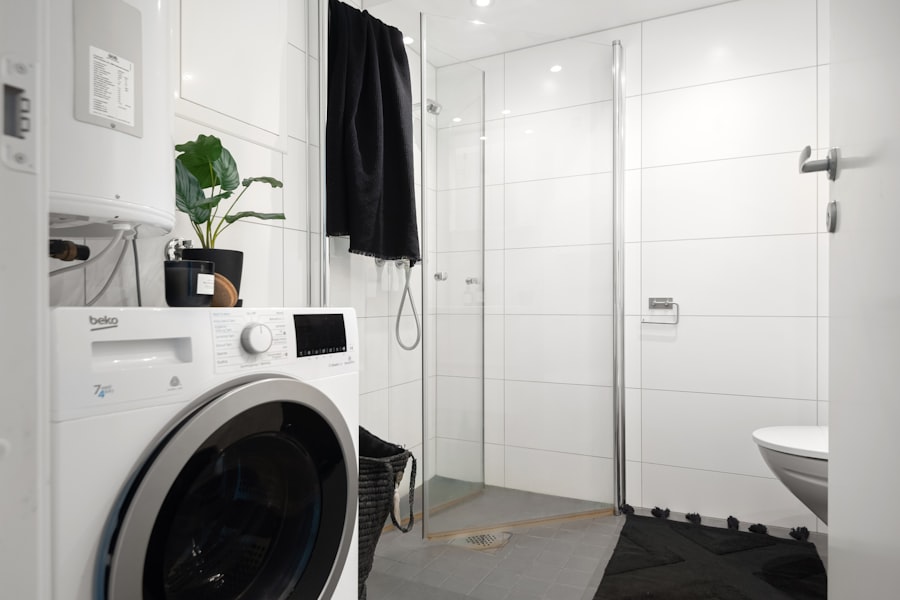
Once an apartment with washer and dryer hookups is secured, understanding the practical aspects of installation, maintenance, and resident responsibilities becomes paramount.
Appliance Compatibility and Installation
Not all hookups are universal. There are distinctions between electric and gas dryers, and variations in voltage requirements (e.g., 120V for standard outlets, 240V for many electric dryers). Similarly, washing machine hookups require specific hot and cold water lines and a drain. If you are bringing your own appliances, confirming their compatibility with the apartment’s existing infrastructure is crucial. Improper installation can lead to water leaks, electrical hazards, or inefficient operation. Many landlords or property managers require professional installation, or at least approve of the installation method.
Understanding Maintenance Protocols
If the washer and dryer units are provided by the landlord, their maintenance typically falls under the landlord’s purview. However, it is essential to clarify the process for reporting issues and the expected response times. If residents are providing their own appliances, maintenance and repair are typically their responsibility. Regardless, understanding who to contact in case of a water leak or an electrical issue related to the hookups themselves is critical. Regular cleaning of lint traps and proper use of appliances (e.g., not overloading) can prevent many common issues.
Lease Agreement Clauses
Lease agreements often contain specific clauses regarding the use and maintenance of laundry facilities, whether in-unit or communal. These clauses may detail permissible hours of use, rules about noise, responsibilities for cleaning, and liabilities for damage caused by appliance malfunction. Reviewing these sections carefully before signing a lease can preempt future disputes and ensure that expectations are clear on both sides. This attention to detail acts as a safeguard, protecting both resident and property owner interests.
Jax and the Future of Convenient Living
As Jacksonville continues to grow and evolve, the demand for amenities that enhance urban convenience will only intensify. Apartments with in-unit washer and dryer hookups are not merely a current trend but a foundational expectation for many residents seeking a balanced and efficient lifestyle.
Growing Demand for Practical Amenities
The fast-paced nature of modern life, coupled with the increasing complexity of balancing work, family, and personal commitments, places a premium on features that streamline daily routines. In-unit laundry facilities are a prime example of an amenity that directly contributes to this streamlining. As the city attracts more diverse populations and younger demographics, the expectation for such practical conveniences will likely consolidate further, becoming less of a distinguishing feature and more of a standard offering.
Sustainable Living and Energy Efficiency
Future developments in Jacksonville are likely to incorporate even greater emphasis on sustainable living. This includes the integration of more energy-efficient appliances and infrastructure. Apartments with washer and dryer hookups will increasingly feature connections suitable for high-efficiency models, contributing to reduced utility costs for residents and a smaller environmental footprint for the community. The shift towards “smart home” technologies may also extend to laundry appliances, offering even greater control and efficiency.
Impact on Property Value and Resident Retention
For developers and property owners in Jacksonville, providing this amenity is a strategic decision that affects property value, market competitiveness, and resident retention. Properties that offer in-unit laundry are often perceived as more desirable, leading to quicker lease-ups and reduced vacancy rates. Satisfied residents, enjoying the convenience and practical benefits of their living situation, are also more likely to renew leases, contributing to a stable and profitable rental portfolio.
In conclusion, the presence of washer and dryer hookups in Jacksonville apartments is a significant factor contributing to a comfortable, efficient, and cost-effective living experience. For any prospective renter, a meticulous inquiry into this amenity is not just practical; it is an investment in daily convenience and peace of mind. As Jacksonville continues its trajectory of growth, such practical considerations will remain at the forefront of urban living.
FAQs
What are washer dryer hookups in apartments?
Washer dryer hookups are designated plumbing and electrical connections within an apartment that allow residents to install their own washing machine and dryer units.
Are washer dryer hookups common in apartments in Jacksonville (Jax)?
While not all apartments in Jacksonville offer washer dryer hookups, many newer or renovated complexes provide them as a convenient amenity for residents who prefer to do laundry in-unit.
Can I install my own washer and dryer if my apartment has hookups?
Yes, if your apartment has washer dryer hookups, you can typically install your own compatible washer and dryer units, but it’s important to check with your landlord or property management for any specific rules or restrictions.
Do apartments with washer dryer hookups usually charge extra rent?
Apartments with washer dryer hookups may sometimes have higher rent or additional fees, but this varies by property. Some apartments include hookups as a standard feature without extra cost.
What should I consider before renting an apartment with washer dryer hookups in Jax?
Consider the size and type of hookups available, any installation restrictions, the cost of purchasing and maintaining your own machines, and whether the apartment’s plumbing and electrical systems support your appliances safely.