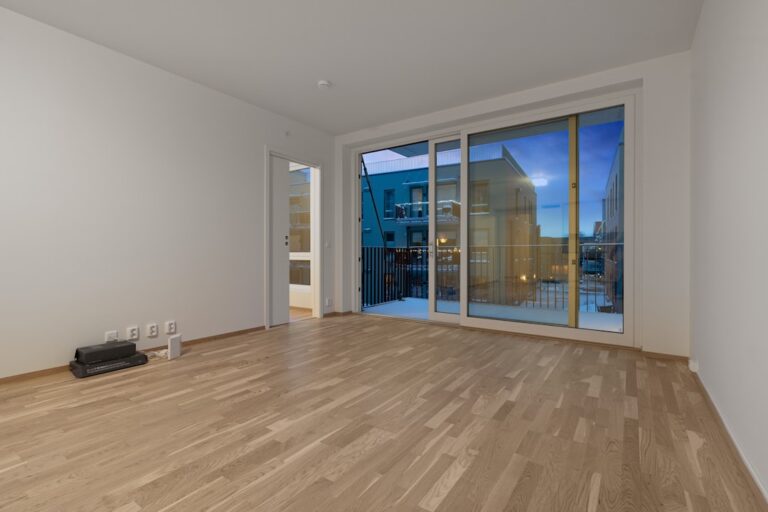

The Hidden Perk: How Attic Access Solves Your Apartment Storage Struggles
Jacksonville, Florida, a city known for its expansive coastline, diverse culinary scene, and burgeoning urban core, offers a unique residential landscape. For those seeking rental properties with a distinct advantage in storage space and potential for creative utilization, apartments with attic access present a compelling option. This article delves into the specifics of finding, understanding, and maximizing the benefits of such properties within the Jacksonville metropolitan area.
Apartments, by their very nature, are often characterized by efficient use of space. However, this efficiency can sometimes come at the cost of dedicated storage. This is where the presence of an attic, often considered a luxury in a multi-family dwelling, significantly alters the living experience. For residents of Jacksonville, where outdoor activities and seasonal considerations – from beach gear to hurricane preparedness supplies – demand varying storage solutions, an attic can be more than just extra space; it can be a strategic asset.
Attic access in apartments can manifest in several forms. It might be a pull-down staircase within the unit itself, providing direct access to a dedicated, albeit unconverted, loft space. Alternatively, it could be a shared attic accessible from a common hallway, with designated storage compartments for each unit. Understanding these distinctions is crucial for prospective renters, as they directly impact the practicality and privacy of the storage solution. The former offers a more integrated and private experience, akin to having an additional room, while the latter, while still valuable, operates more as a communal storage facility.
Defining “Attic Access” in a Rental Context
The term “attic access” itself can be a broad descriptor. It’s important for renters to clarify what this truly entails. Does it imply a finished, semi-finished, or raw unfinished space? Is it actively insulated, and does it possess climate control? For instance, an unfinished attic in a humid climate like Jacksonville’s could present challenges concerning mold and mildew if not properly ventilated and dehumidified. This distinction is paramount for protecting stored belongings and ensuring the health of the living environment.
Beyond Storage: Alternative Uses and Spatial Dynamics
While storage is the primary benefit, an attic can offer a canvas for other possibilities. For Jacksonville residents working remotely, an attic with sufficient head height and structural integrity could be transformed into a quiet home office, distanced from the main living area. Similarly, for hobbyists, it could serve as a dedicated workshop, art studio, or even a meditation space. The availability of natural light, ventilation, and electrical outlets are key factors in determining the feasibility of such conversions, even if temporary and renter-friendly.
Navigating the Jacksonville Rental Market for Attic-Equipped Units
The search for apartments with attic access in Jacksonville requires a targeted approach. These units are not as common as standard apartments, making a focused and informed search essential. Leveraging online platforms, real estate agents, and directly contacting property management companies are all viable strategies.
Online Search Strategies and Keyword Optimization
When utilizing online rental platforms, the effectiveness of your search hinges on precise keyword usage. While “attic access” is the most direct term, other variations like “extra storage,” “loft apartment,” “storage space,” or even “bonus room” could yield relevant results. It is also beneficial to filter searches by property type, looking specifically for townhouses, duplexes, or single-family homes that are part of a larger multi-unit complex, as these often have a higher probability of incorporating attic spaces.
Additionally, paying close attention to property descriptions and photographs is crucial. Descriptions that mention “pull-down stairs,” “walk-up attic,” or “storage loft” are strong indicators. Photographs, while sometimes curated, can offer visual cues regarding the presence and nature of an attic space.
Engaging with Real Estate Professionals
A local real estate agent specializing in rental properties can be an invaluable asset in this specific search. These professionals often possess intimate knowledge of the Jacksonville housing market, including which neighborhoods or even specific apartment complexes are more likely to feature units with attic access. They can also leverage their network to identify properties that may not be extensively advertised online. Clearly communicating your specific need for attic access and its intended use will enable the agent to narrow down suitable options efficiently.
Direct Inquiries and Property Management Engagement
For specific apartment complexes or property management companies that pique your interest, direct inquiries are always recommended. Websites often provide contact information for leasing offices. When making these inquiries, be explicit about your requirement for an apartment with attic access. Some complexes may offer a limited number of units with this feature, and direct communication can help ascertain their availability and specifications. It is also an opportunity to ask detailed questions about the attic, such as square footage, accessibility, insulation, and any restrictions on its use.
Essential Considerations and Due Diligence

Securing an apartment with attic access goes beyond merely finding one. A thorough due diligence process is critical to ensure the space meets your expectations and does not present unforeseen complications. This involves detailed inspections, understanding lease terms, and assessing the practicality of the attic space.
On-Site Inspection: Beyond the Surface
A personal inspection of the attic space is non-negotiable. Do not rely solely on photos or descriptions. When visiting a unit, assess:
- Accessibility: How easy is it to access the attic? Is the pull-down ladder sturdy and safe? Is the opening wide enough for larger items you intend to store?
- Dimensions: While precise measurements may not be available, gauge the approximate usable square footage and ceiling height. Sloping ceilings can significantly reduce practical storage space.
- Structural Integrity: Look for signs of water damage, sagging ceilings, or compromised flooring. While landlord responsibility, identifying these issues beforehand can prevent future disputes or health concerns.
- Environmental Conditions: Check for signs of pests, mold, or musty odors. A powerful flashlight can illuminate dark corners and reveal hidden issues. In Jacksonville’s climate, proper ventilation is paramount to prevent moisture buildup.
- Electrical and Lighting: Is there adequate lighting within the attic? Are there power outlets available if you plan to use it for anything other than passive storage?
- Insulation and Climate Control: How well is the attic insulated? In Florida, inadequate insulation can lead to extreme heat in the summer and potential damage to heat-sensitive items. Discuss climate control options with the landlord – some attics may be minimally cooled, others not at all.
Lease Agreement and Use Restrictions
The lease agreement is the legal framework governing your tenancy, including the use of any attic space. Pay close attention to sections detailing:
- Designated Use: Is the attic explicitly for storage, or can it be used as a habitable space (even passively)? Some landlords may restrict activities within the attic owing to insurance liabilities or structural limitations.
- Modifications: Can you install shelving, lighting, or make any other minor modifications? Typically, rental agreements prohibit significant alterations without explicit written permission.
- Maintenance Responsibilities: Who is responsible for pest control, ventilation, or repairs related to the attic structure? Clarifying this beforehand is vital.
- Liability: Understand your liability for any damage to the attic or its contents. Some landlords may offer renter’s insurance that covers attic storage, but it’s prudent to verify.
Practicality and Safety Considerations
Beyond the legalities, consider the day-to-day practicality of using the attic. How frequently will you need to access items? The effort involved in retrieving items via a pull-down ladder might deter frequent use. Safety is also paramount, especially when navigating ladders or uneven surfaces in dimly lit spaces. Ensure the landlord provides a stable ladder and that the attic access point is free from obstructions.
Maximizing the Potential of Your Attic Space
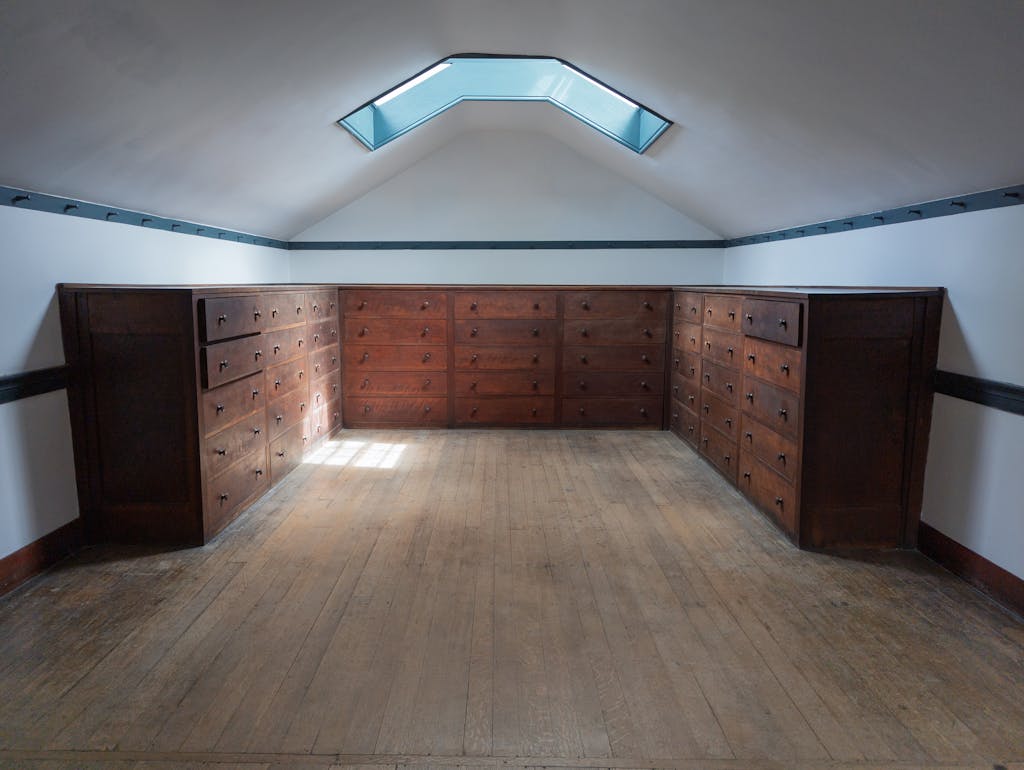
Once you’ve secured an apartment with attic access, the next step is to optimize this valuable square footage. Strategic organization and proper maintenance are key to transforming it into a functional and beneficial extension of your living space.
Strategic Organization and Storage Solutions
The key to an effective attic is organization. Begin by decluttering and itemizing what you intend to store. Consider the following:
- Categorization: Group similar items together. This could be seasonal decor, sentimental belongings, rarely used appliances, or hobby supplies.
- Labeling: Clear and consistent labeling of boxes and containers will save significant time and effort when retrieving items. Consider large, legible labels that are visible even in subdued lighting.
- Storage Containers: Invest in durable, moisture-resistant, and sealable containers. Plastic bins with airtight lids are ideal for protecting items from dust, pests, and humidity – a significant concern in Jacksonville’s climate. Avoid cardboard boxes for long-term storage in an unconditioned attic.
- Shelving and Racks: If the attic’s structure permits, installing sturdy freestanding shelving units can maximize vertical space and improve accessibility. Ensure these units are stable and do not overload the attic’s weight capacity. Consult with the landlord before making any permanent installations.
- Climate Control Considerations: For sensitive items (electronics, photographs, textiles), consider climate-controlled storage solutions or methods to mitigate humidity within the attic itself, such as dehumidifiers (if power is available and approved by the landlord) or silica gel packets within sealed containers.
Attic as a Flexible Space: Beyond Storage
While storage is the primary utility, an attic can be more. Consider its potential as a:
- Seasonal Wardrobe: Store off-season clothing, freeing up closet space in your main living area. Vacuum-seal bags can further condense textiles and protect them from moisture and pests.
- Home Office Nook: With suitable lighting, a small desk, and perhaps a comfortable chair, an attic can become a secluded workspace away from household distractions. Ensure stable flooring for office furniture.
- Hobby Zone: For hobbyists, the attic might be an ideal location for crafting supplies, model building, or other activities that require dedicated space and can be messy.
- Reading Retreat: A comfortable beanbag or cushion, a small lamp, and a bookshelf could transform a quiet attic into a cozy reading nook, a sanctuary from the daily bustle.
Always remember to confirm with your landlord any planned uses beyond simple storage, especially if they involve significant use of electricity or prolonged occupancy.
Maintenance and Long-Term Care for Attic Spaces
Maintaining the attic space is a shared responsibility, with the landlord typically handling structural integrity and major repairs, and the tenant responsible for cleanliness and preventing damage from their stored items.
Regular Inspections and Pest Control
It’s advisable to conduct regular, albeit infrequent, inspections of your attic space. Look for:
- Pest Activity: Signs of rodent droppings, insect nests, or chew marks. Promptly report any pest infestations to your landlord.
- Water Leaks: Stains on the ceiling or walls, drips, or puddles indicate a leak that requires immediate attention from the landlord.
- Ventilation Issues: A consistently stuffy or overly humid attic may indicate inadequate ventilation, which can lead to mold growth.
- Signs of Deterioration: Any new cracks, sagging, or unusual sounds should be reported.
Humidity Management in Jacksonville’s Climate
Jacksonville’s subtropical climate presents unique challenges for attic spaces. High humidity levels can foster mold and mildew, and damage sensitive items. While landlords are responsible for structural prevention, tenants can take proactive measures:
- Dehumidifiers: If power is available and permitted, a small dehumidifier can significantly reduce moisture levels, especially during humid summer months. Ensure it’s placed safely and emptied regularly.
- Airflow: Avoid stacking items directly against vents or creating barriers that impede natural airflow within the attic.
- Desiccants: Placing moisture-absorbing packets (like silica gel) within sealed containers can offer localized protection for valuable or sensitive items.
- Elevate Storage: If the attic floor is susceptible to condensation or minor leaks, elevate boxes and containers on risers or pallets to prevent direct contact with the floor.
By understanding these nuances, engaging in a thorough search and inspection, and committing to responsible utilization and maintenance, renters in Jacksonville can unlock the full potential of an apartment with attic access, transforming it from a mere storage solution into a truly valuable extension of their home. This often-overlooked amenity can be a game-changer for spatial planning and quality of life in a bustling urban environment.
FAQs
What does attic access mean in an apartment?
Attic access in an apartment refers to a designated entry point, such as a hatch or door, that allows residents or maintenance personnel to reach the attic space above the living area. This space is often used for storage or housing HVAC systems.
Are apartments with attic access common in Jacksonville?
Apartments with attic access are available in Jacksonville, especially in older or multi-story buildings. However, the prevalence varies by neighborhood and building design, so it’s best to check with specific apartment complexes.
Is attic access in an apartment safe for residents?
Attic access is generally safe when properly maintained and secured. It is typically intended for maintenance use rather than frequent resident access. Safety depends on the condition of the access point and adherence to building codes.
Can I use the attic space for storage in an apartment?
In some apartments with attic access, residents may be allowed to use the attic space for storage. However, this depends on the building’s rules and the structural suitability of the attic. Always confirm with the property management before storing items.
Does attic access affect apartment heating and cooling in Jacksonville?
Yes, attic access can impact heating and cooling efficiency. Proper insulation and sealing around the attic access point are important to prevent energy loss, especially in Jacksonville’s climate. Well-maintained attic access helps maintain comfortable indoor temperatures.