Active Outdoors: Why Living Next to Wesconnett Park is a Game-Changer for Residents
The apartment complexes situated in the vicinity of Wesconnett Park offer a collection of residential options designed to cater to various lifestyle needs. This area, characterized by its proximity to a significant public park, presents a unique blend of urban convenience and access to green spaces. Understanding the distinct features and amenities of these apartments can provide a clear picture for prospective residents seeking a functional and accessible living environment.
The strategic positioning of these apartments makes them a focal point for individuals prioritizing ease of access to both daily necessities and recreational opportunities. The proximity to Wesconnett Park serves as a primary draw, offering residents a readily available sanctuary for outdoor activities and a breath of fresh air amidst the urban landscape.
Proximity to Wesconnett Park
Connectivity to Major Thoroughfares
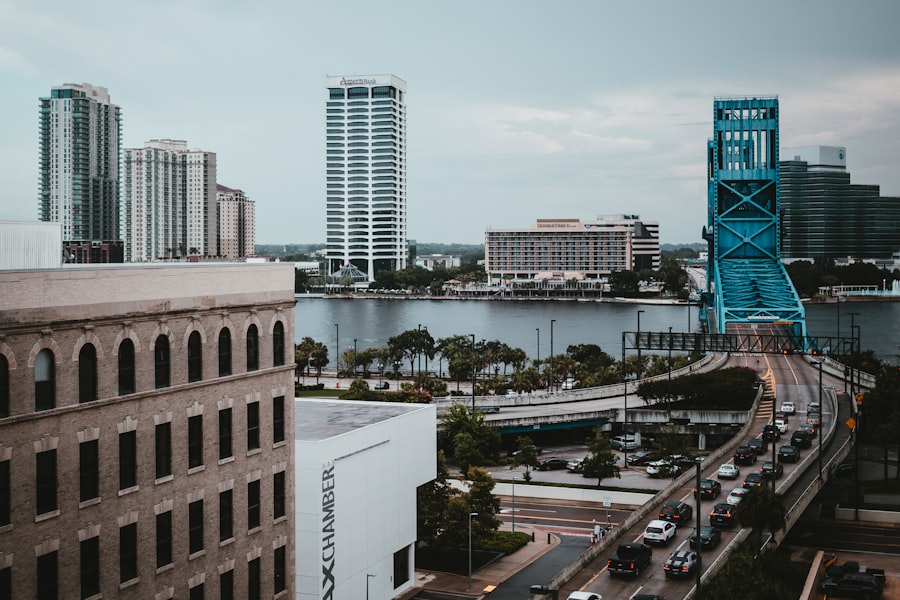
- Route 78 Access: The apartment complexes benefit from direct or near-direct access to Route 78. This arterial road functions as a critical artery of the transportation network, facilitating efficient travel to various parts of the city and surrounding regions. Its accessibility streamlines daily commutes, whether for work or personal errands.
- Interstate Highway Integration: Beyond Route 78, integration with nearby interstate highway systems is a notable advantage. This interconnectivity allows for longer-distance travel, connecting residents to a wider geographical area for business, leisure, or visiting family and friends. The ease of access to these major highways significantly reduces travel times and expands the potential reach of residents from their home base.
- Public Transportation Links: While primarily car-centric, the area also offers select public transportation options. Bus routes often traverse the periphery of these apartment complexes, providing an alternative for those who prefer not to drive. This extends the accessibility to residents without personal vehicles, opening up avenues for travel and engagement within the community.
Nearby Commercial Hubs
- Shopping Centers and Retail Districts: The apartment complexes are situated within a reasonable radius of several well-established shopping centers and retail districts. These areas are not merely places of commerce but also serve as social hubs, offering a diverse range of goods and services. Residents can find everything from daily groceries and household items to specialized retail outlets and entertainment venues within easy reach.
- Dining and Entertainment Options: The culinary landscape surrounding these apartments is varied, featuring a spectrum of dining establishments. From casual eateries and fast food chains to more formal restaurants, residents have a wide array of choices to satisfy their gastronomic preferences. This diversity extends to entertainment, with cinemas, recreational facilities, and community event spaces often found within these commercial districts.
- Business and Employment Centers: A key factor for many residents is the proximity to employment centers. The apartment complexes are often located within commuting distance of significant business districts, industrial parks, and office complexes. This reduces commute times and offers a greater degree of flexibility for residents’ professional lives, acting as a bedrock for their daily routines.
Apartment Features and Unit Mix
The apartments themselves are designed with a consideration for practical living, offering a range of unit types to accommodate different household sizes and preferences. The architectural styles and interior designs generally lean towards functionality and comfort, aiming to provide a solid foundation for residents.
Unit Types and Floor Plans
- Studio Apartments: For individuals or couples seeking a compact and efficient living space, studio apartments are typically available. These units often consolidate living, sleeping, and kitchen areas into a single, open-concept layout. The emphasis here is on maximizing space utilization within a smaller footprint.
- One-Bedroom Units: The one-bedroom apartment is a common offering, providing a separate bedroom from the main living area. This configuration is popular among singles, young professionals, and couples who desire a degree of privacy and distinct functional zones within their home.
- Two-Bedroom Residences: Catering to small families, roommates, or those requiring additional space for a home office or hobbies, two-bedroom apartments are a prevalent option. These layouts typically feature two distinct bedrooms, a shared living space, a kitchen, and at least one bathroom.
- Three-Bedroom Configurations (Less Common): While less frequently encountered due to the typically lower density of townhouse or single-family housing in similar areas, some complexes might offer three-bedroom units. These are generally reserved for larger families or those with specific space requirements, providing ample room for multiple occupants.
Interior Amenities and Finishes
- Kitchen Facilities: Standard kitchen appointments usually include essential appliances such as a refrigerator, oven, and stovetop. While high-end finishes are not the hallmark of all units, functionality and adequate storage are generally prioritized. Some units may offer updated countertops or cabinetry, depending on the specific building and its renovation history.
- Bathroom Features: Bathrooms are typically equipped with standard fixtures including a toilet, sink, and shower or bathtub. The design focus is on practicality and ease of maintenance, providing a clean and functional space for personal hygiene.
- Flooring Options: A mix of flooring types can be expected. This might include carpeting in living areas and bedrooms for comfort, and linoleum or tile in kitchens and bathrooms for durability and ease of cleaning. Hardwood or laminate flooring may be present in more recently renovated units.
- Climate Control: Centralized heating and air conditioning systems are standard in most of these apartments, ensuring consistent and comfortable indoor temperatures throughout the year. Individual thermostat controls allow residents to regulate their immediate environment.
- Storage Solutions: Beyond kitchen and bathroom cabinetry, residents can typically find built-in closets in bedrooms and hallways. Some units may offer linen closets or additional storage spaces, providing practical solutions for organizing personal belongings.
In-Unit Laundry (Availability Varies)
- Washer and Dryer Hookups: Many of the apartments are equipped with hookups for in-unit washers and dryers. This offers a significant convenience for residents, eliminating the need to use communal laundry facilities.
- Provided Appliances: However, the provision of actual washer and dryer units varies by apartment and landlord. Some leases may include these appliances, while others require residents to supply their own. This is a key detail for prospective tenants to confirm during their viewing.
- Communal Laundry Facilities: For units without in-unit laundry, centralized laundry rooms are often available within the apartment complex. These facilities are typically coin-operated or use a card system, providing an alternative for residents to manage their laundry needs.
Community and On-Site Amenities
The apartment complexes near Wesconnett Park often aim to foster a sense of community through shared spaces and conveniences. These amenities are designed to enhance the living experience beyond the individual unit.
Common Areas and Recreational Spaces
- Community Room or Lounge: Several complexes may feature a communal room or lounge area. These spaces can serve as informal gathering spots for residents, providing a place for socializing, community events, or simply a quiet alternative to their individual apartments.
- Outdoor Gathering Areas: Outdoor spaces are often incorporated, such as courtyards, picnic areas, or seating arrangements. These areas are intended to encourage outdoor engagement and provide residents with opportunities to enjoy the external environment without the need to travel to the park itself.
- Playgrounds (Site-Specific): Some apartment developments, particularly those catering to families, may include on-site playgrounds. These provide a convenient and safe area for children to play and socialize within the immediate vicinity of their homes.
Essential Services and Conveniences
- On-Site Management Office: Many of these apartment communities are managed by on-site personnel or a dedicated management office. This presence facilitates prompt attention to resident inquiries, maintenance requests, and administrative matters, serving as a direct point of contact.
- Maintenance Services: Routine maintenance and repair services are a standard offering. This can range from addressing plumbing issues and electrical problems to general upkeep of common areas. The availability of a responsive maintenance team is crucial for ensuring the smooth operation of the living environment.
- Package Handling: In today’s digitally connected world, efficient package handling is increasingly important. Management offices or designated areas within the complexes often receive and hold packages for residents, providing a secure and convenient method of delivery.
- Landscaping and Groundskeeping: The aesthetic appeal and functionality of the grounds are typically maintained through regular landscaping and groundskeeping services. This includes lawn mowing, garden upkeep, and general tidiness of the exterior areas, contributing to the overall living experience.
Pet Policies (Varying Regulations)
- Breed and Size Restrictions: It is common for apartment complexes to have specific pet policies that may include restrictions on certain breeds or the maximum weight of pets. These regulations are often in place to ensure the safety and comfort of all residents and to manage potential property damage.
- Pet Fees and Deposits: The presence of pets typically necessitates additional fees, such as a one-time pet deposit or monthly pet rent. These charges help to cover potential cleaning or repair costs associated with pet occupancy.
- Designated Pet Areas: Some complexes may designate specific areas for pet relief, such as small dog parks or waste stations. These facilities promote responsible pet ownership and help maintain the cleanliness of the property.
- Lease Agreement Clauses: It is imperative for prospective residents with pets to carefully review the specific pet clauses within their lease agreement. These clauses will outline all stipulations, responsibilities, and any applicable fees related to keeping animals on the premises.
Surrounding Environment and Lifestyle
The context provided by the surrounding environment significantly shapes the lifestyle of residents. The proximity to Wesconnett Park is a defining characteristic, but other factors contribute to the overall living experience.
The Influence of Wesconnett Park
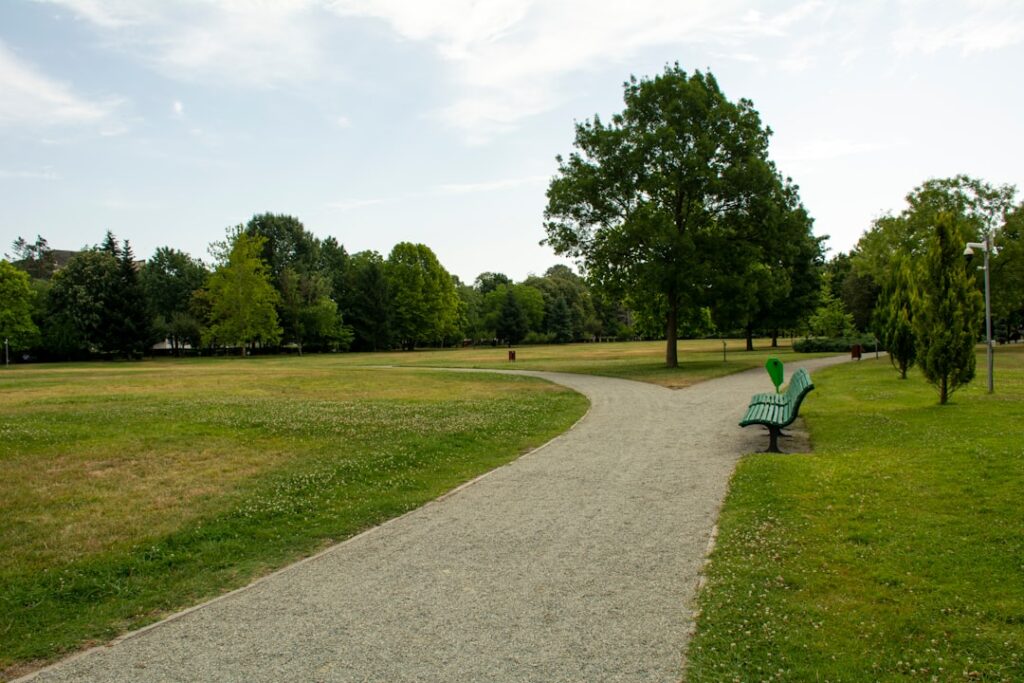
The presence of Wesconnett Park acts as a significant environmental embellishment. It offers a readily accessible natural escape, a green lung in the urban fabric. This proximity translates into tangible benefits for residents seeking outdoor activity and a connection to nature.
- Recreational Opportunities: The park provides a vast canvas for diverse recreational pursuits. Walking and jogging trails offer opportunities for cardiovascular exercise and gentle exploration. Open fields are suitable for picnicking, informal sports like frisbee, or simply relaxing in the sun.
- Family Activities and Community Events: Wesconnett Park often serves as a venue for community-driven events, such as local festivals, farmers’ markets, or organized sports leagues. These events foster a sense of local identity and provide opportunities for residents to engage with their neighbors and the broader community.
- Nature and Wildlife Observation: The park’s natural landscape supports a variety of flora and fauna, offering opportunities for nature observation. Birdwatching, wildlife spotting, and simply appreciating the changing seasons can become part of the residents’ daily or weekly routines.
- Stress Reduction and Well-being: Access to green spaces is widely recognized for its positive impact on mental and physical well-being. The ability to step outside and immerse oneself in a natural setting can contribute to stress reduction, improved mood, and a general sense of tranquility, acting as a vital counterbalance to the demands of urban living.
Local Infrastructure and Services
Beyond the park, the surrounding area is built upon a foundation of essential infrastructure and services that underpin the daily lives of residents, functioning as the operational framework for the community.
- Educational Institutions: The apartment complexes are often situated within or near school districts, providing access to various educational institutions. This can include public elementary, middle, and high schools, as well as potentially private or specialized schools, catering to families with children.
- Healthcare Facilities: Proximity to healthcare providers is a key consideration for many. The area typically features a range of medical facilities, from local doctor’s offices and dental clinics to hospitals and specialized medical centers, ensuring access to necessary health services.
- Public Services: Essential public services such as post offices, libraries, and community centers are often found within a reasonable distance, further enhancing the convenience and accessibility of the residential location. These services are the bedrock of community infrastructure, facilitating everyday needs and engagement.
Neighborhood Demographics and Community Feel
The demographic makeup of the neighborhood influences its character and the sense of community experienced by residents.
- Diverse Population: The population in areas surrounding apartment complexes can be quite diverse, often including young professionals, families, and established residents. This blend can contribute to a dynamic and multifaceted community.
- Sense of Local Identity: While specific to each complex and its immediate surroundings, there can be a discernible local identity. This is often shaped by the presence of local businesses, community events, and the shared experience of living in a particular area, acting as a common thread that binds residents.
- Walkability and Local Engagement: Depending on the specific layout, some neighborhoods may offer a degree of walkability, allowing residents to access local shops, restaurants, or parks on foot. This can foster a stronger sense of local engagement and a more connected community experience.
Considerations for Prospective Residents
For individuals or families considering these apartments, a comprehensive understanding of what to expect is crucial. This involves looking beyond the immediate features and considering the broader implications of residency.
Lease Terms and Rental Agreements
- Lease Durations: Standard lease agreements typically range from 12 months, but shorter or longer terms may be available depending on the specific property and landlord. Understanding the duration of commitment is a primary step in the decision-making process.
- Rent Payment Procedures: Rental payments are usually made monthly, with established due dates and acceptable payment methods (e.g., online portals, checks). Familiarizing oneself with these procedures ensures timely and hassle-free rent processing.
- Renewal Policies: Information regarding lease renewal is important for long-term planning. This includes notification periods for intent to renew or vacate, as well as any potential changes in rent for subsequent lease terms.
- Subleasing Regulations: If there is any possibility of needing to sublease, it is crucial to understand the complex’s or landlord’s policies on this matter, as they are often strictly regulated.
Utility Responsibilities and Costs
- Included Utilities: Some apartment leases may include certain utilities such as water, sewer, or trash removal. This can simplify budgeting and provide a clearer picture of overall monthly expenses.
- Resident-Paid Utilities: In other cases, residents are responsible for separate utility accounts, including electricity, gas (for heating and cooking), and internet/cable services. Understanding which utilities are your responsibility is fundamental to managing household expenses.
- Estimating Monthly Costs: Prospective residents should endeavor to obtain estimates for the cost of utilities in the area. This can be done by consulting with the leasing office for average consumption figures or by speaking with current residents if possible. Proactive cost estimation is vital for financial planning.
Maintenance and Repair Processes
- Reporting Procedures: Familiarize yourself with the established procedures for reporting maintenance issues. This typically involves contacting the on-site management office or submitting a request through an online tenant portal.
- Response Times: While response times can vary, inquiring about typical turnaround times for routine repairs and emergency situations can set realistic expectations. A well-defined process for addressing maintenance needs is a cornerstone of a comfortable living experience.
- Tenant Responsibilities: It is also important to understand the extent of tenant responsibilities regarding minor maintenance tasks or preventing damage to the property, as outlined in the lease agreement.
Community Rules and Regulations
- Noise Ordinances: Many apartment complexes have specific rules regarding noise levels, particularly during certain hours, to ensure a peaceful living environment for all residents. Adherence to these ordinances fosters harmonious cohabitation.
- Guest Policies: Understanding the complex’s policies on guests, including overnight stays or visitor parking, is important for both residents and their visitors.
- Property Use Restrictions: Some leases may contain restrictions on certain activities or uses of the apartment and common areas, such as modifications to the unit, smoking policies, or the use of amenities. Understanding these regulations is key to avoiding potential conflicts.
Conclusion
The apartment complexes in the vicinity of Wesconnett Park present a range of living options characterized by their accessible location and proximity to park facilities. These residences offer a practical approach to urban living, balancing the conveniences of city life with the benefits of nearby green spaces. For individuals prioritizing ease of access, a functional living environment, and the availability of recreational opportunities, these apartments provide a solid foundation. Prospective residents are encouraged to thoroughly investigate the specifics of each property, including lease terms, amenity availability, and community regulations, to ensure a successful and satisfying residency. The integration of location, unit features, and surrounding amenities forms the core offering of these residences, catering to a segment of the rental market that values both practicality and an active lifestyle.
FAQs
What types of apartments are available near Wesconnett Park?
Apartments near Wesconnett Park range from studios and one-bedroom units to larger two- and three-bedroom apartments, catering to a variety of needs and budgets.
How close are the apartments to Wesconnett Park?
Most apartments near Wesconnett Park are within walking distance or a short drive, typically less than a mile away, providing easy access to the park’s amenities.
What amenities are commonly offered in apartments near Wesconnett Park?
Common amenities include on-site parking, fitness centers, swimming pools, laundry facilities, and pet-friendly policies, though specific offerings vary by complex.
Are the apartments near Wesconnett Park pet-friendly?
Many apartment communities near Wesconnett Park allow pets, but policies regarding pet types, sizes, and fees differ, so it is important to check with individual landlords or management.
What is the average rental price for apartments near Wesconnett Park?
Rental prices vary based on size, amenities, and exact location, but generally, apartments near Wesconnett Park range from affordable to mid-range pricing compared to other areas in the city.